

CFG is the native token of Centrifuge, a real-world asset (RWA) tokenization protocol. Rather than focusing only on crypto-native collateral, Centrifuge is designed to bring assets such as invoices, credit portfolios, real estate exposure, and investment funds on-chain. Those tokenized assets can then be used in structured on-chain pools that connect capital seekers with investors. (academy.binance.com)

- 20% trading fee discount
- $100 signup bonus
- $10,000 futures bonus

- 20% fee cashback
- $10,000 bonus

- 20% fee cashback
- $8,000 bonus

- 50% trading fee discount
- 20% fee cashback
- $6,200 futures bonus

- 20% fee cashback
- $60,000 futures bonus

- 20% trading fee discount
- $30,050 signup bonus
That puts the CFG coin at the intersection of DeFi, institutional finance, and the fast-growing RWA sector. But it is important to understand the token’s recent history before buying: today’s CFG is an Ethereum ERC-20 token, not the older token that existed on the legacy Centrifuge Chain.
What does Centrifuge do?
Centrifuge aims to make financing more accessible by turning traditionally off-chain financial assets into blockchain-based tokens. In practical terms, an asset originator can package eligible assets into a pool, while investors can supply capital to that pool under its defined terms. The model is meant to give businesses another route to liquidity and give eligible investors access to cash-flow-based opportunities that are different from standard crypto lending.
The protocol has also moved toward a multichain EVM model. Its V3 architecture expanded Centrifuge’s ability to operate across networks while using Ethereum as its primary settlement layer. This matters because it can improve interoperability with the wider Ethereum and DeFi ecosystem.
What is CFG used for?

The Centrifuge CFG token is primarily associated with ecosystem governance and fee-related utility. Binance Academy describes CFG as the token used for governance and fee payments in the Centrifuge ecosystem.
There is an important governance detail, however. In November 2025, CFG holders approved a change that paused active DAO governance and shifted day-to-day execution and oversight to the Centrifuge Network Foundation. The DAO tools remain available and token holders can pursue a process to reactivate the DAO in the future. In other words, do not assume CFG currently works like a continuously active, fully on-chain voting token simply because older articles describe it that way. (docs.centrifuge.io)
CFG token migration: the detail buyers should not miss
Centrifuge consolidated its former legacy CFG and Wrapped CFG (WCFG) into one Ethereum-native CFG token through a 1:1 migration. The official Ethereum contract is:
0xcccCCCcCCC33D538DBC2EE4fEab0a7A1FF4e8a94
According to Centrifuge’s documentation, the migration ran from May 20, 2025 through December 4, 2025, followed by a case-by-case review period that ended on April 10, 2026. The migration is now permanently closed, so legacy CFG and WCFG are no longer exchangeable for the current ERC-20 CFG. (docs.centrifuge.io)
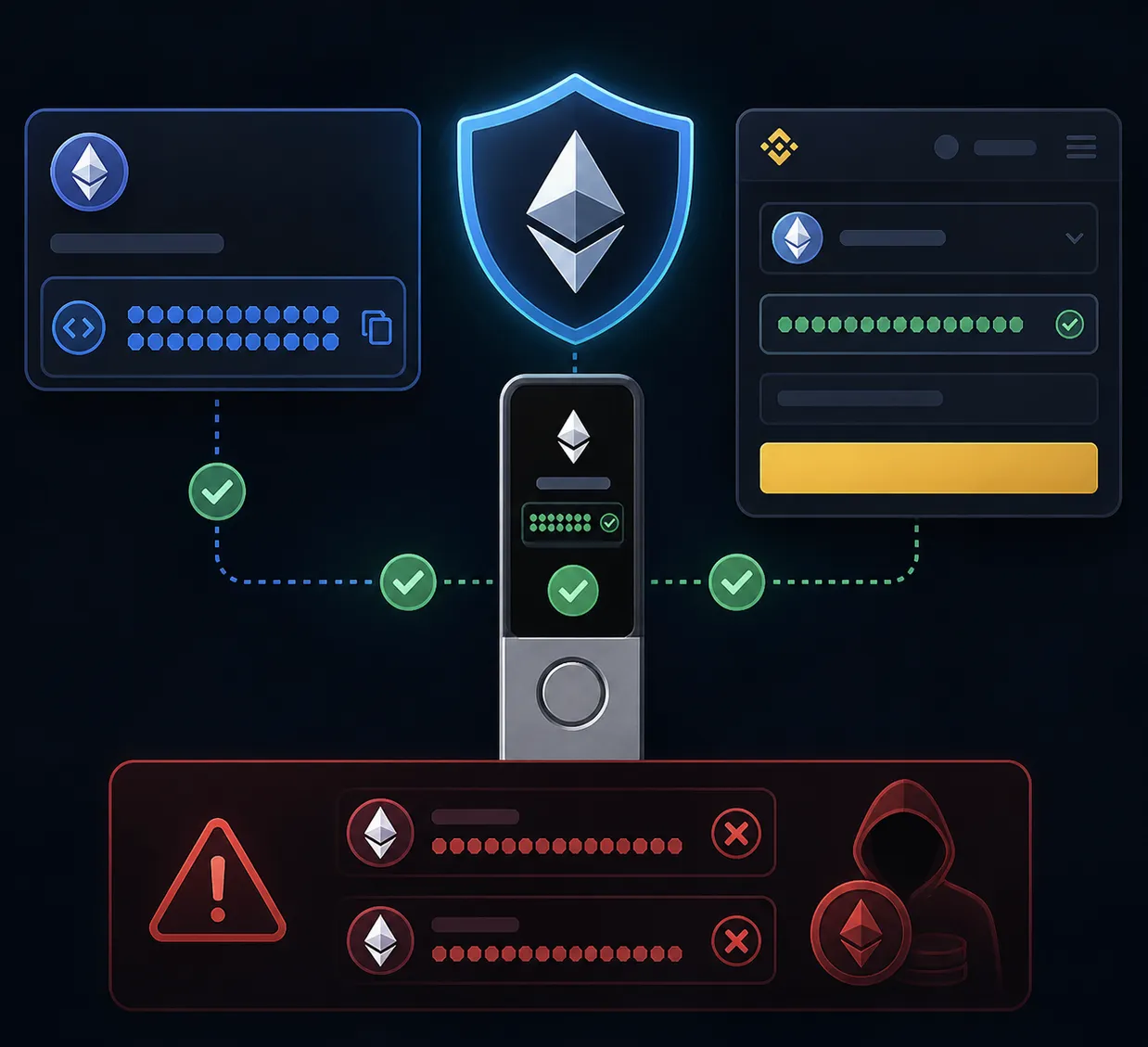
That creates a straightforward safety rule: verify the contract address and the deposit network before sending funds. A token named “CFG” or “WCFG” in an old wallet, unsupported network, or unofficial swap interface may not be the tradable Ethereum-native CFG token you intended to buy.
CFG tokenomics at a glance
Centrifuge’s official tokenomics page reports a total CFG supply of 697,164,473 tokens as of June 2026. It also states that CFG has a 3% annual inflation rate, with inflationary tokens accruing to the Centrifuge Treasury. The token release schedule, locked allocations, and future ecosystem incentives can affect supply dynamics, so they are worth reviewing before treating CFG as a long-term investment.
Token supply does not determine price by itself. Demand for tokenized-asset infrastructure, exchange liquidity, market conditions, protocol adoption, unlock schedules, and the broader crypto cycle can all influence CFG’s market performance.
How to buy CFG on Binance
CFG is available in the Binance market ecosystem, with CFG/USDT shown as an active Binance trading pair by market-data services. Availability, payment methods, and trading pairs can differ by jurisdiction, so check your local Binance interface before depositing funds. (tradingview.com)
1. Create and secure your account
Start by registering through Binance with referral code CRYPTONEWER. The promotion information provided for this link offers a 20% fee discount and up to $10,000 in benefits, subject to Binance’s eligibility rules, regional availability, and campaign terms.
Once registered, enable two-factor authentication, use a unique password, and complete identity verification if it is required in your region.
2. Fund the account
You can typically fund an exchange account with fiat currency through locally available methods or deposit crypto such as USDT. For a simple spot purchase, many traders use USDT because it is commonly paired with CFG.
Before making a blockchain deposit, confirm all three items on the deposit screen:
- The asset you are sending
- The selected network
- Any required memo, tag, or minimum-deposit amount
A deposit sent on the wrong network may be difficult—or impossible—to recover.
3. Search for the CFG trading pair
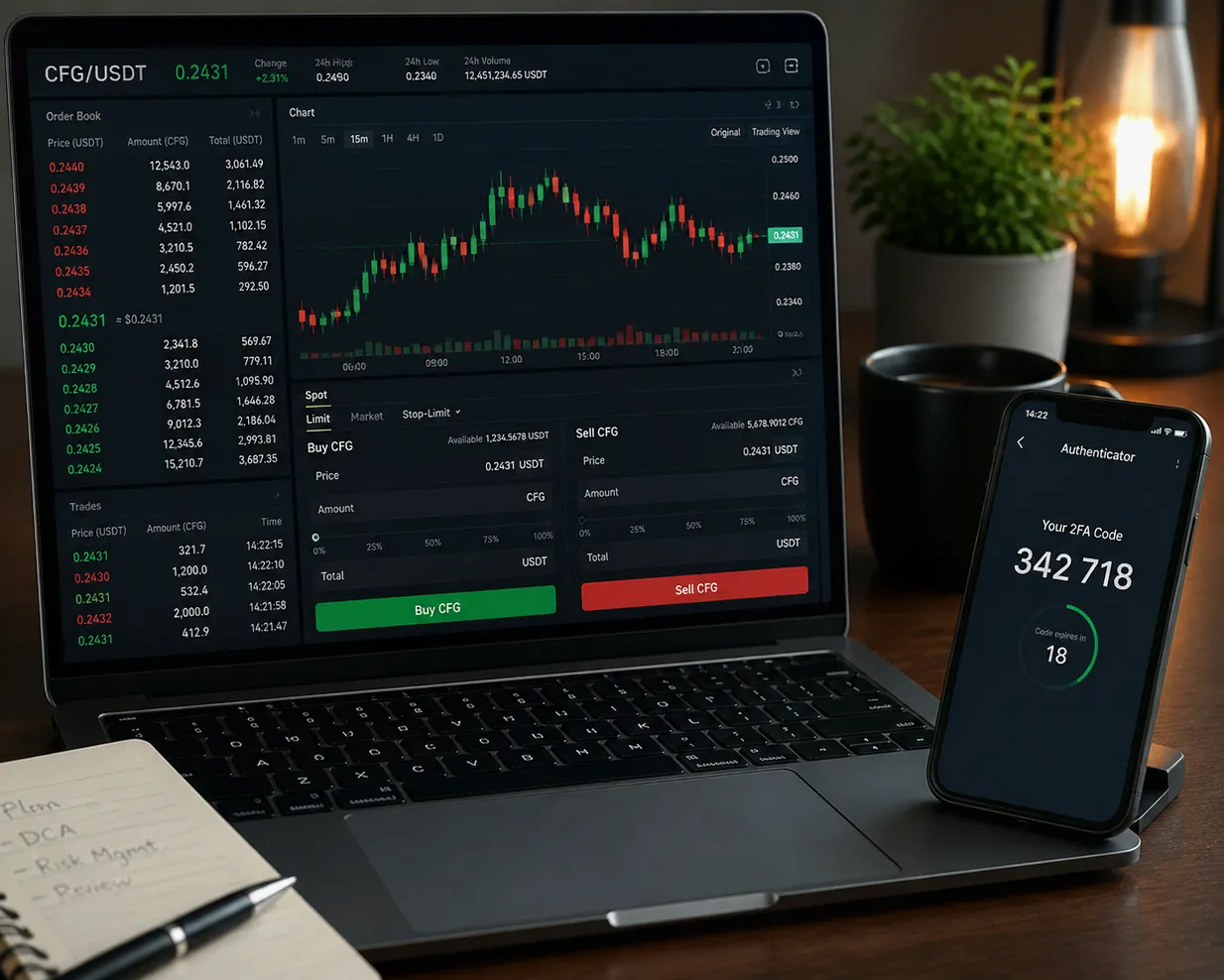
In Binance Spot, search for CFG/USDT. Review the chart, order book, recent trades, and the displayed trading fees. Avoid confusing spot trading with perpetual futures: futures add leverage and liquidation risk, which is not necessary if your goal is simply to buy and hold CFG.
4. Choose a market or limit order
A market order aims to buy immediately at the best prices currently available, but the final fill can vary in a fast-moving market. A limit order lets you set the maximum price you are willing to pay, though it will execute only if the market reaches that price.
For new buyers, a limit order can be useful when you want to control your entry price. For either order type, double-check the amount and estimated total before confirming.
5. Decide where to keep your CFG
Leaving a small trading balance on an exchange may be convenient, but self-custody gives you direct control of the assets and private keys. If you withdraw CFG, select Ethereum/ERC-20 only when the receiving wallet supports the current CFG token and you have verified the official contract address above. You will also need ETH in that wallet for Ethereum network fees.
Risks to consider before buying Centrifuge CFG
CFG is a volatile crypto asset, not a guaranteed claim on protocol revenue or an assured way to profit from RWA adoption. RWA protocols also face smart-contract, liquidity, regulatory, counterparty, valuation, and operational risks. A project can grow its products or partnerships while its token price still falls.
Be especially cautious with social-media “airdrop” links, direct messages offering migration help, and token contracts that look almost identical to the real one. Centrifuge has specifically warned that team members will not request passwords or wallet details through unsolicited messages. (centrifuge.io)
This article is educational content, not investment, tax, or legal advice. Consider your risk tolerance, use only capital you can afford to lose, and independently verify trading availability and token details before placing an order.
Related posts:
 Hard Forks vs Soft Forks Explained: The Powerful Difference Behind Blockchain Upgrades
 MEXC Staking & Earn Program Overview — Essential Guide to Passive Crypto Income
 What is the BOME (BOOK OF MEME) Coin, and How to Buy — An Actionable 2026 Guide
 What Is the XMR (Monero) Coin and How to Buy It Today: A Practical, Private, Step‑by‑Step Guide