Focus keyword: What is X(X) Coin and how to buy X(X) Coin
Related keywords: X(X) Coin, buy X coin, X crypto, how to buy X(X) Coin, Binance Wallet X swap

- 20% fee cashback
- $60,000 futures bonus

- 20% trading fee discount
- $100 signup bonus
- $10,000 futures bonus

- 20% trading fee discount
- $30,050 signup bonus

- 20% fee cashback
- $8,000 bonus

- 50% trading fee discount
- 20% fee cashback
- $6,200 futures bonus

- 20% fee cashback
- $10,000 bonus

- Bonus pack worth $100–$1,500 USDT
- Fee discount
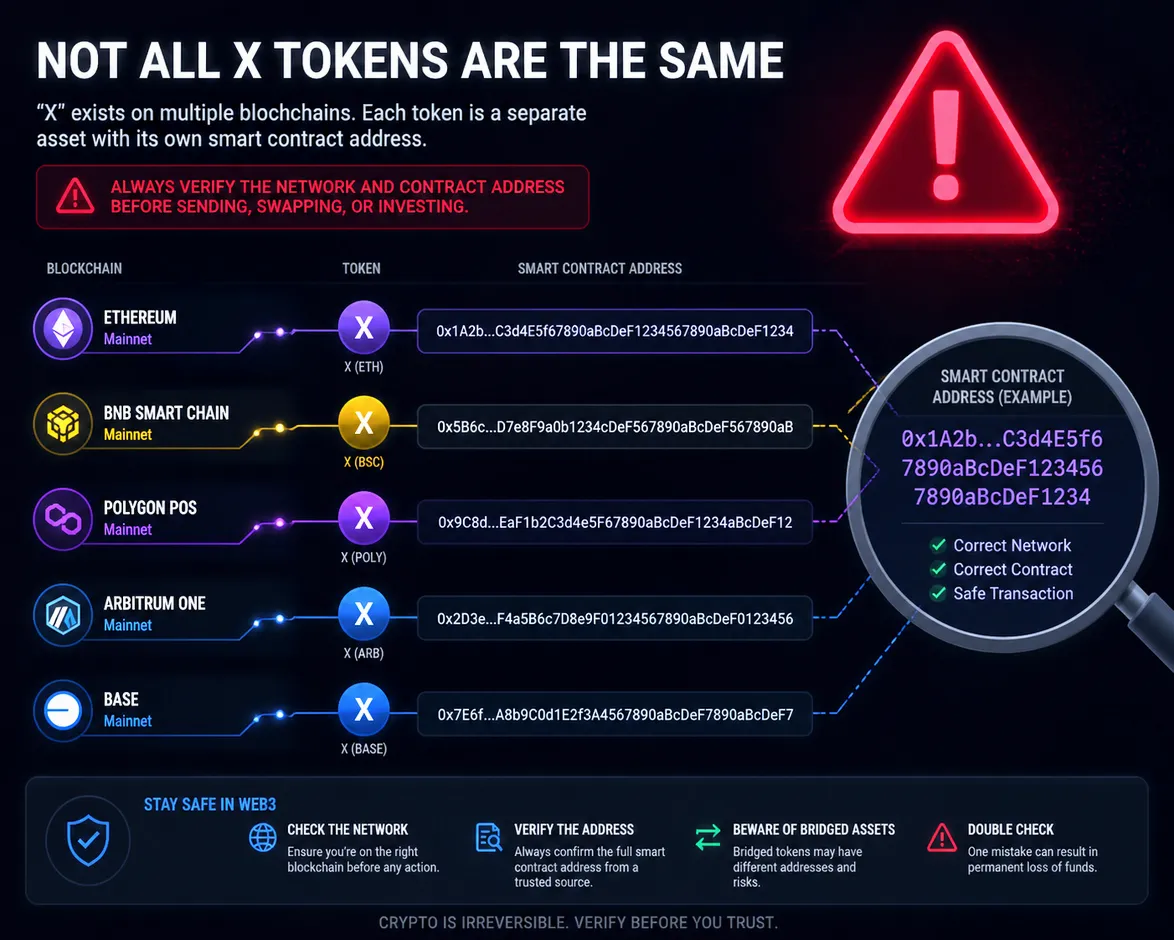
The name X(X) Coin looks simple, but it comes with an important complication: many unrelated crypto assets use the ticker X. That means a search for “buy X coin” can produce multiple tokens on different blockchains, each with different smart-contract addresses, liquidity pools, and risks. Before spending anything, the central rule is straightforward: never buy a token because its ticker matches—verify the blockchain and exact contract address first.
For the X token covered by Binance’s current purchase guide, Binance notes that X (X) is not listed for Spot trading on the Binance Exchange. Instead, where a route is available, it can be swapped through Binance Wallet using decentralized-exchange liquidity. Binance also explicitly warns that several X tokens may exist across different networks, so users must select the correct token and network rather than relying on the name alone. (binance.com)
What Is X(X) Coin?
X(X) Coin is a crypto token represented by the ticker X. The most visible market-data entry connected to Binance’s current X purchase page is an Ethereum-based token associated with the project website x.xyz. CoinMarketCap lists a maximum supply of 10 billion X, a self-reported circulating supply of 960 million X, and roughly 1,990 holders at the time its listing was crawled. Those figures are useful context, but they are not a substitute for independent due diligence: self-reported token information, market liquidity, and circulating supply can change. (coinmarketcap.com)
This is not a large, universally standardized asset like Bitcoin or Ethereum. It is a small-cap token with a very generic symbol, and that introduces practical risks. Low-liquidity assets can experience wide spreads, price impact, failed swaps, and sharp price moves after relatively small trades. The available token tracker data also shows that this X token has traded dramatically below its historical high, reinforcing why it should be approached as a high-risk speculative crypto asset, not a guaranteed investment.
Important: Do not assume X(X) Coin is connected to the X social-media platform, to Elon Musk, or to any company simply because of the letter “X.” A ticker or branding theme is not proof of affiliation.
X(X) Coin Contract and Network: What to Verify Before Buying
For the Ethereum-based X entry described above, CoinMarketCap displays a contract beginning with 0x7f31...51cb26 and identifies it as part of the Ethereum ecosystem. Before you swap, compare the full contract address shown in your wallet or DEX route with the address from a reliable project source and a reputable token tracker. Never use a contract address copied from a reply, direct message, search ad, or unofficial social-media post.
There is also a separately tracked BNB Smart Chain token using the name X and a different contract beginning 0x5450...a4af03. It has different reported supply details and a different project website. This is exactly why “X coin” searches can be dangerous: they may point to distinct assets that only share the same ticker. (coinmarketcap.com)
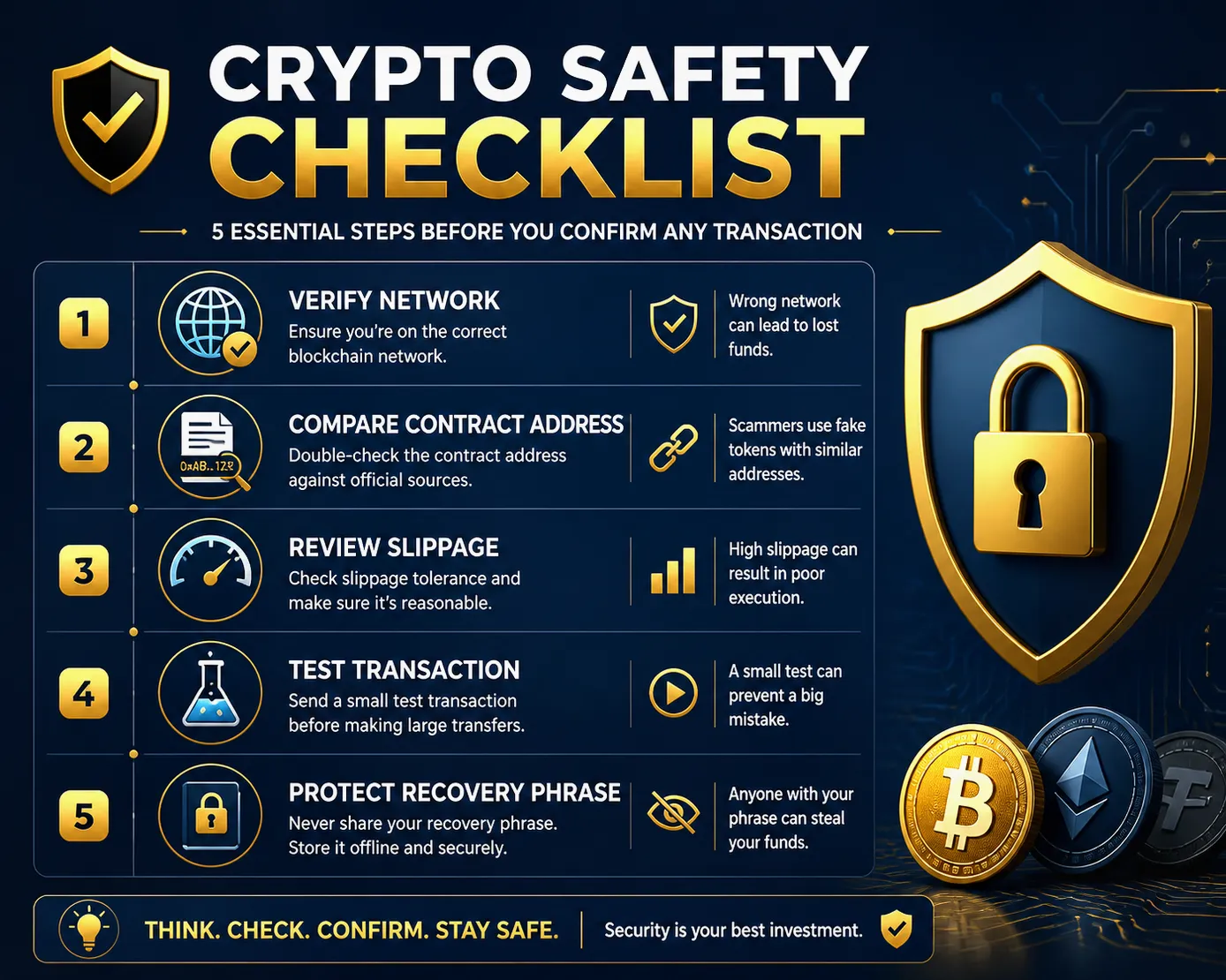
A good verification routine looks like this:
- Confirm the token’s network—for example, Ethereum rather than BNB Smart Chain.
- Confirm the complete contract address, character by character.
- Inspect the token’s liquidity, swap route, price impact, and slippage before approving anything.
- Keep the chain’s native gas token available—ETH for Ethereum transactions.
- Start with a small test transaction if you decide the risk is acceptable.
How to Buy X(X) Coin With Binance Wallet
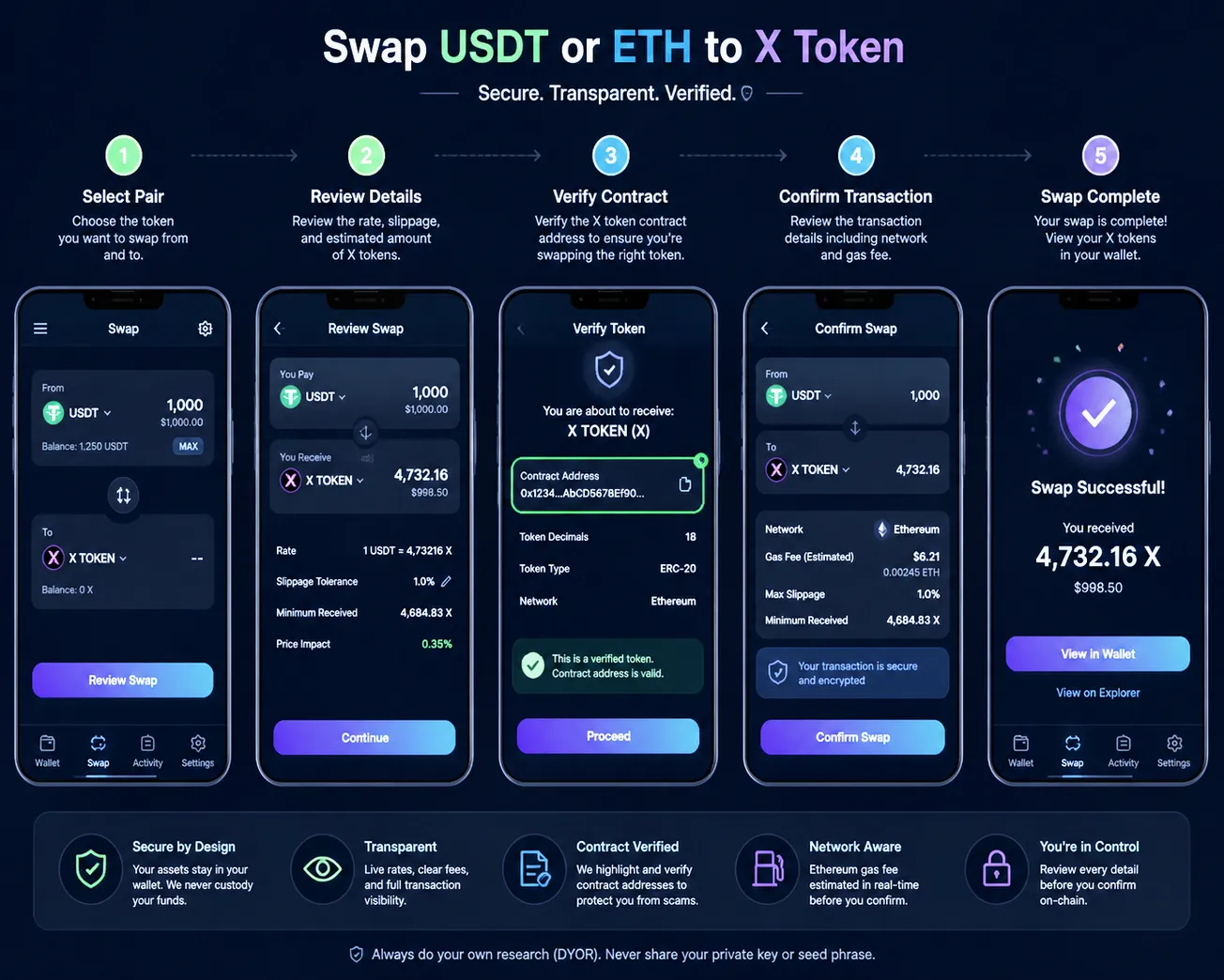
Since X(X) is not currently available for Binance Spot trading, the practical route is to use Binance Wallet and swap a supported base asset into X through available DEX liquidity. Binance’s own guide describes the process as creating an account, setting up Binance Wallet, funding the wallet with a supported asset such as USDT or USDC, and then using the wallet’s Trade > Swap function to search for X.
Step 1: Create a Binance Account
If you do not already have an account, you can register through Binance with referral code CRYPTONEWER. The referral promotion advertises a 20% fee discount and up to $10,000 in benefits; eligibility, availability, regional access, and reward terms can vary, so review the live terms shown during registration.
Complete identity verification if it is required in your jurisdiction and secure the account with a strong unique password and two-factor authentication.
Step 2: Set Up Binance Wallet
Inside the Binance app, open Wallet and select Web3 Wallet or Binance Wallet, then create or import a wallet. Secure the recovery phrase offline. Anyone who obtains that phrase can control the wallet assets; Binance support, project teams, and legitimate communities will never need it.
Step 3: Fund the Wallet With a Compatible Asset
Buy or transfer a base asset supported by the live swap route. Binance suggests assets such as USDT, USDC, or ETH depending on network compatibility and wallet availability. For an Ethereum X route, retain some ETH for gas fees rather than swapping your entire ETH balance.
If you transfer crypto from the exchange to a self-custody wallet, choose the network with extreme care. Binance states that selecting an incompatible network can result in permanent loss, and it recommends testing a new withdrawal destination with a small amount first. (binance.com)
Step 4: Search for X and Verify It Again
Open Trade, choose Swap, select the asset you are paying with, and search for X. At this stage, pause. Check the network and full contract address—not only the ticker, logo, or displayed price. If the app shows no valid route, do not force the trade through an unknown website or a link sent by a stranger. Lack of a route can simply mean insufficient liquidity, unsupported network selection, regional restrictions, or a temporary availability issue.
Step 5: Review Slippage, Price Impact, and Approval Requests
Before confirmation, inspect the estimated amount received, transaction fee, liquidity-provider cost, slippage setting, and price impact. On small-cap tokens, high price impact is a warning that your trade itself could move the market significantly. Only approve the transaction after checking that the wallet is interacting with the intended token and swap route.
What to Watch After You Buy X(X) Coin
Owning a token is not the same as having an easy exit. Before buying X(X) Coin, check whether there is enough live liquidity to sell a small amount, and understand that the available DEX route may disappear or become expensive during volatile conditions. Binance notes that crypto assets can be highly volatile and that buyers can lose some or all of the amount invested.
Use a separate wallet for experimental tokens when possible, avoid signing vague “set approval for all” requests, and periodically revoke unnecessary token permissions. Most importantly, treat contract verification as part of the purchase—not as an optional final check. With a ticker as common as X, precision is the difference between buying the intended X(X) Coin and sending funds to an unrelated token.
Related posts:
 What Is CoinEx? A Powerful Guide to the CoinEx Crypto Exchange
 MEXC Staking & Earn Program Overview — Essential Guide to Passive Crypto Income
 Hard Forks vs Soft Forks Explained: The Powerful Difference Behind Blockchain Upgrades
 What is the BDXN (BDXN) Coin and How to Buy with Confidence — Expert Deep Dive 2026