
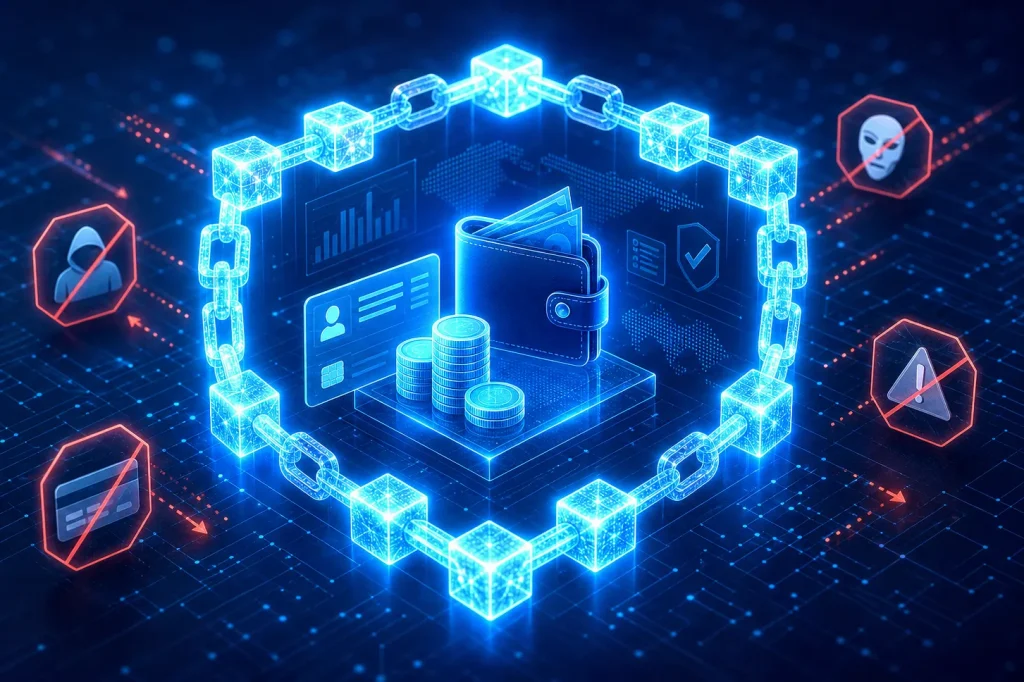
Can blockchain help prevent fraud? In many cases, yes. Blockchain technology can make records harder to alter, transactions easier to audit, and supply-chain activity more transparent. It is not a magic shield against every scam, but it gives businesses and individuals stronger tools for detecting and reducing certain kinds of fraud.

- 20% trading fee discount
- $100 signup bonus
- $10,000 futures bonus

- 50% trading fee discount
- 20% fee cashback
- $6,200 futures bonus

- 20% fee cashback
- $10,000 bonus

- 20% fee cashback
- $60,000 futures bonus

- 20% fee cashback
- $8,000 bonus

- 20% trading fee discount
- $30,050 signup bonus
Fraud often thrives when information is fragmented, records can be quietly changed, or one party controls the only version of the truth. A blockchain addresses part of that problem by maintaining a shared ledger: approved participants can verify the same transaction history without relying solely on a central database. That design is why blockchain fraud prevention has become relevant in finance, logistics, healthcare, insurance, and digital assets.
How blockchain prevents fraud in practical terms
A blockchain stores data in blocks that are connected cryptographically. Once a transaction has been validated and added to the chain, changing it later is extremely difficult because doing so would require changing the connected record and gaining network agreement.
This does not mean blockchain data is automatically true. If someone enters false information at the start, the ledger can preserve that false entry very effectively. The real value comes from pairing blockchain with reliable data sources, identity checks, access controls, and ongoing monitoring.
1. Tamper-resistant transaction records
Traditional databases are useful, but privileged users or successful attackers may be able to edit historical entries. On a well-designed blockchain, a transaction leaves a permanent, time-stamped trail. Auditors can trace when an asset moved, which wallet or authorized account initiated the action, and how the record relates to earlier activity.
For example, an insurer could record claim milestones on a permissioned blockchain. If a document is submitted, approved, or amended, the system can create an auditable event. That makes backdating and undisclosed record changes much harder to hide.
2. Shared visibility reduces reconciliation gaps
Many fraud opportunities appear between organizations. A supplier, freight company, retailer, bank, and insurer may all keep separate records, creating delays and mismatches. A shared ledger gives approved participants a more consistent view of an asset or transaction.
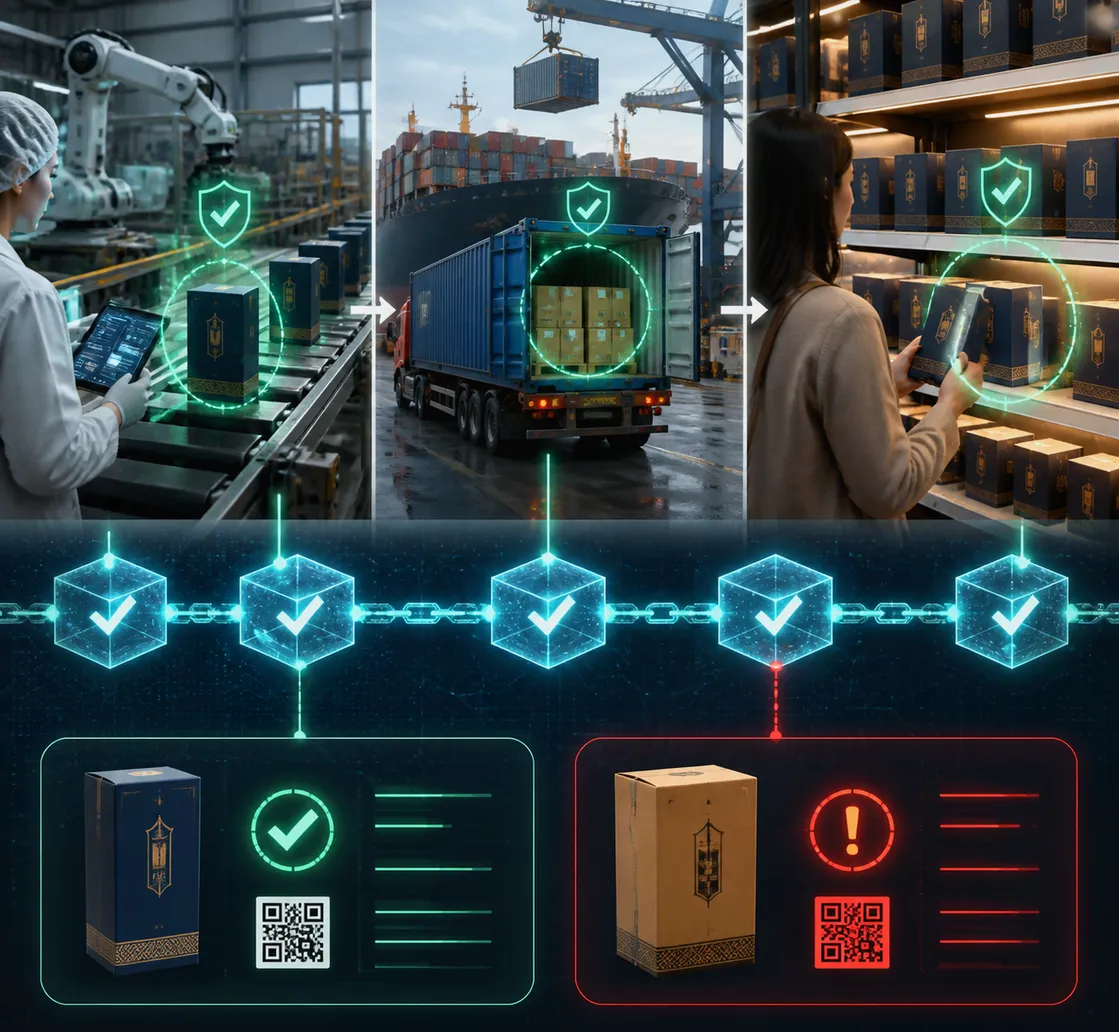
In supply chains, this can help fight counterfeit goods and invoice fraud. Each handoff can be logged, from manufacturing to shipment to delivery. A buyer can compare a product identifier with the ledger history instead of trusting a paper trail that may have been duplicated or modified.
3. Smart contracts can enforce predefined rules
A smart contract is code that performs an agreed action when its conditions are met. For instance, a payment could be released only after a shipment confirmation, an inspection result, and a valid digital signature are all recorded.
Automating simple controls can reduce manual errors and stop some unauthorized payments. However, smart contracts require careful testing. A coding mistake, weak permission setting, or manipulated external data feed can create a new vulnerability. Smart contracts improve fraud controls only when their rules and inputs are governed properly.
Where blockchain fraud prevention works best
Blockchain is especially useful when several parties need to trust a history of events but do not fully trust one another. Common use cases include:
- Digital asset transactions: public blockchains allow on-chain transfers to be reviewed, supporting transaction monitoring and forensic investigations.
- Supply-chain traceability: serialized products and shipment events can help identify diversion, substitution, and counterfeit items.
- Identity and credentials: verifiable credentials can make it easier to confirm whether a certificate or document was issued by a legitimate organization.
- Trade finance: shared documentation can reduce duplicate financing and forged invoice risks.
- Charitable donations: transparent transaction records can improve visibility into how funds are routed and used.
For people exploring blockchain markets, choosing a platform with clear security tools is still essential. Create a Binance account with referral code CRYPTONEWER to access the stated 20% fee discount and up to $10,000 in benefits, subject to the platform’s applicable terms and eligibility requirements. Account security settings such as two-factor authentication, withdrawal controls, and anti-phishing codes remain important even when transactions occur on a blockchain.
Blockchain cannot prevent every kind of fraud
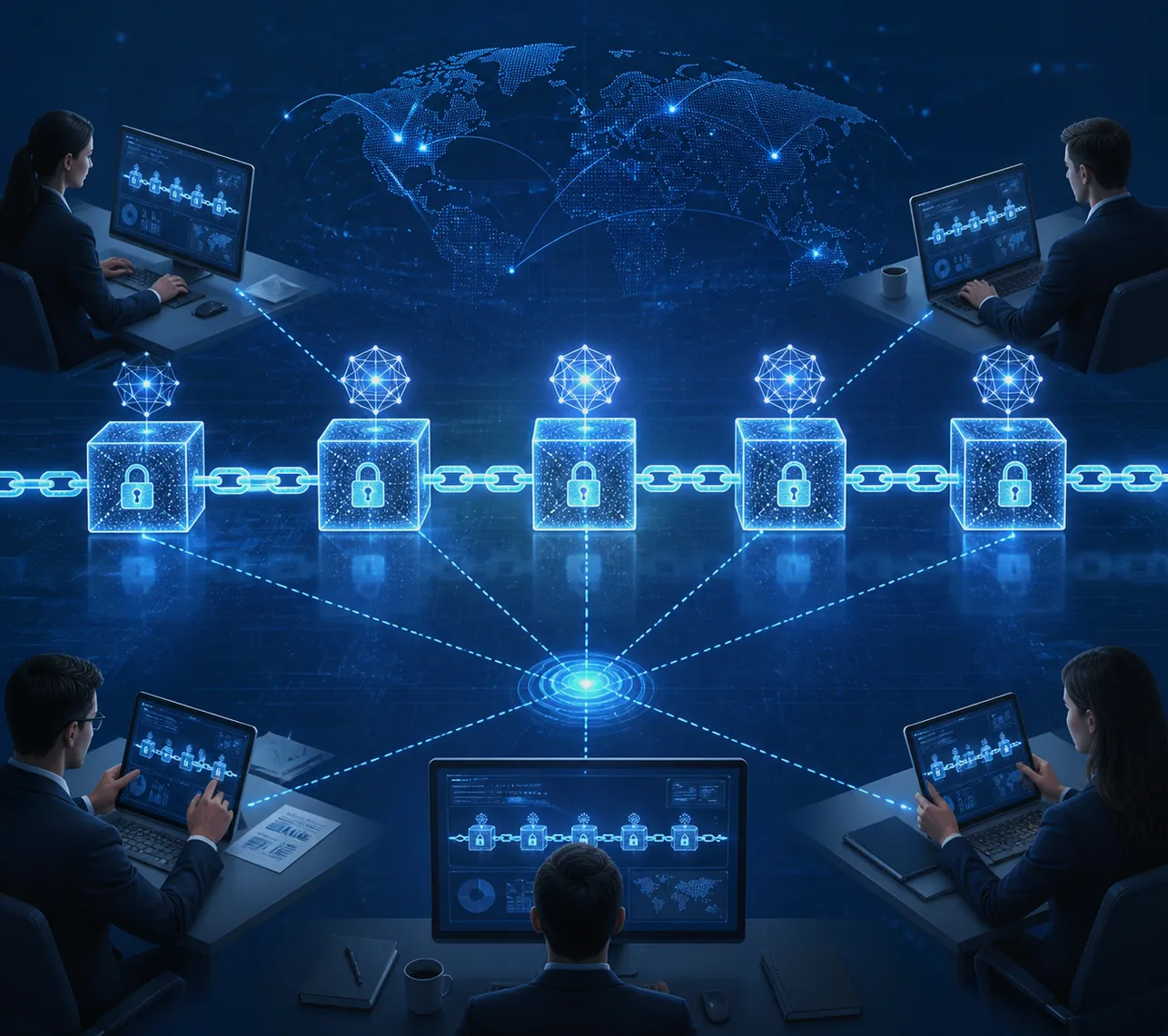
The question “Can blockchain help prevent fraud?” needs a balanced answer. Blockchain can protect the integrity of records, but it cannot automatically protect people from deception.
A scammer can still impersonate a support agent, persuade someone to reveal a recovery phrase, send a malicious link, or offer a fake investment opportunity. If a user voluntarily authorizes a payment to a criminal’s wallet, the blockchain will accurately record that payment—but it usually cannot reverse it. Likewise, stolen credentials and compromised private keys are security problems that no ledger architecture can solve on its own.
Organizations should therefore treat blockchain as one layer of a broader anti-fraud program. Strong programs combine the technology with know-your-customer procedures, staff training, anomaly detection, segregation of duties, independent audits, and clear incident-response plans.
Key safeguards for a blockchain anti-fraud strategy
To use blockchain effectively, start with the threat rather than the technology. Identify which fraud scenario is costly: forged records, duplicate invoices, counterfeit products, internal manipulation, or payment diversion. Then decide whether a shared, tamper-evident record actually closes the gap.
A practical implementation should include the following controls:
- Verify data before it reaches the chain. Use trusted sensors, approved document issuers, digital signatures, and review workflows.
- Control access carefully. Define who can read, submit, validate, or amend records, especially in private and consortium networks.
- Protect keys and wallets. Hardware security, multi-signature approval, and recovery processes reduce the risk of a single compromised credential causing losses.
- Monitor unusual activity. Analytics can flag abnormal transaction sizes, rapid wallet movements, repeated failed attempts, or suspicious counterparties.
- Plan for errors and disputes. Immutable records do not remove the need for legal agreements, correction processes, and customer support.
The role of transparency and privacy
Transparency is a major reason blockchain can reduce fraud, yet complete public visibility is not appropriate for every business. Medical records, commercial pricing, and customer identities may require confidentiality. Permissioned blockchains, encrypted data, selective disclosure, and off-chain storage can help balance auditability with privacy.
The strongest model is rarely “put everything on-chain.” Instead, teams often store a cryptographic proof or timestamp on the blockchain while keeping sensitive information in secured systems. Later, the document can be checked against its proof to show whether it has been changed.
Questions to ask before adopting blockchain for fraud prevention
Before investing in a blockchain project, decision-makers should ask whether multiple parties truly need a shared ledger, who is responsible for validating incoming data, and what happens when incorrect information is recorded. They should also measure results: lower chargeback losses, faster audits, fewer disputed invoices, better product traceability, or reduced investigation time.
A blockchain project earns its value when it makes fraud more difficult, more visible, or easier to investigate—not merely when it adds a token or a distributed database to an existing workflow. For consumers, the same principle applies: understand the transaction, secure credentials, and verify platforms before sending funds or sharing personal information.
Related posts:
 How Blockchain Can Change Education: A Powerful Shift for Credentials, Learning, and Access
 What is the BNBUP (BNBUP) Coin, and how to buy — Essential Guide for Today
 What is the PHB (Phoenix) Coin, and how to buy — In‑Depth 2026 Field Guide
 What is the MANTRA (MANTRA) Coin, and how to buy: Essential guide with step‑by‑step Binance walkthrough