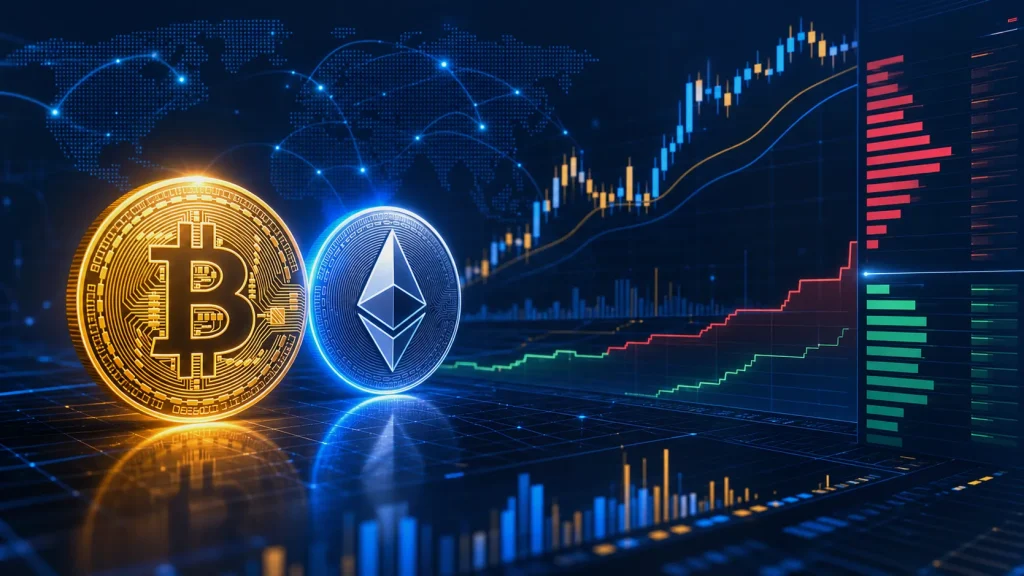
What is CoinEx? CoinEx is a global cryptocurrency exchange where users can buy, sell, swap, deposit, withdraw, and trade digital assets. Built for people who want a relatively straightforward trading experience, the platform combines spot markets, derivatives products, automated trading tools, and a large selection of cryptocurrencies in one account.

- 20% trading fee discount
- $100 signup bonus
- $10,000 futures bonus

- 20% fee cashback
- $60,000 futures bonus

- 20% fee cashback
- $8,000 bonus

- 20% fee cashback
- $10,000 bonus

- 50% trading fee discount
- 20% fee cashback
- $6,200 futures bonus

- 20% trading fee discount
- $30,050 signup bonus
For a newcomer, an exchange can feel like a bridge between traditional money and the crypto market. You can fund an account with supported methods, exchange one coin for another, or place a trade based on a chosen price. For active traders, the important details become market liquidity, available order types, trading costs, security controls, and the range of listed assets. CoinEx aims to cover both sides of that experience without making the interface unnecessarily difficult to navigate.
CoinEx at a glance
CoinEx is a centralized crypto exchange, often abbreviated to CEX. That means the company operates the trading platform and helps match buyers with sellers. This differs from a decentralized exchange, where trades are executed directly through smart contracts and users generally connect their own wallets.
On CoinEx, users can keep supported crypto in an exchange account, view balances, and access markets from a web browser or mobile app. The platform supports well-known assets such as Bitcoin (BTC) and Ethereum (ETH) alongside stablecoins and a broad set of altcoins. Asset availability, payment options, and products can vary by region, so it is wise to check the current rules in your country before depositing funds.
How the CoinEx exchange works
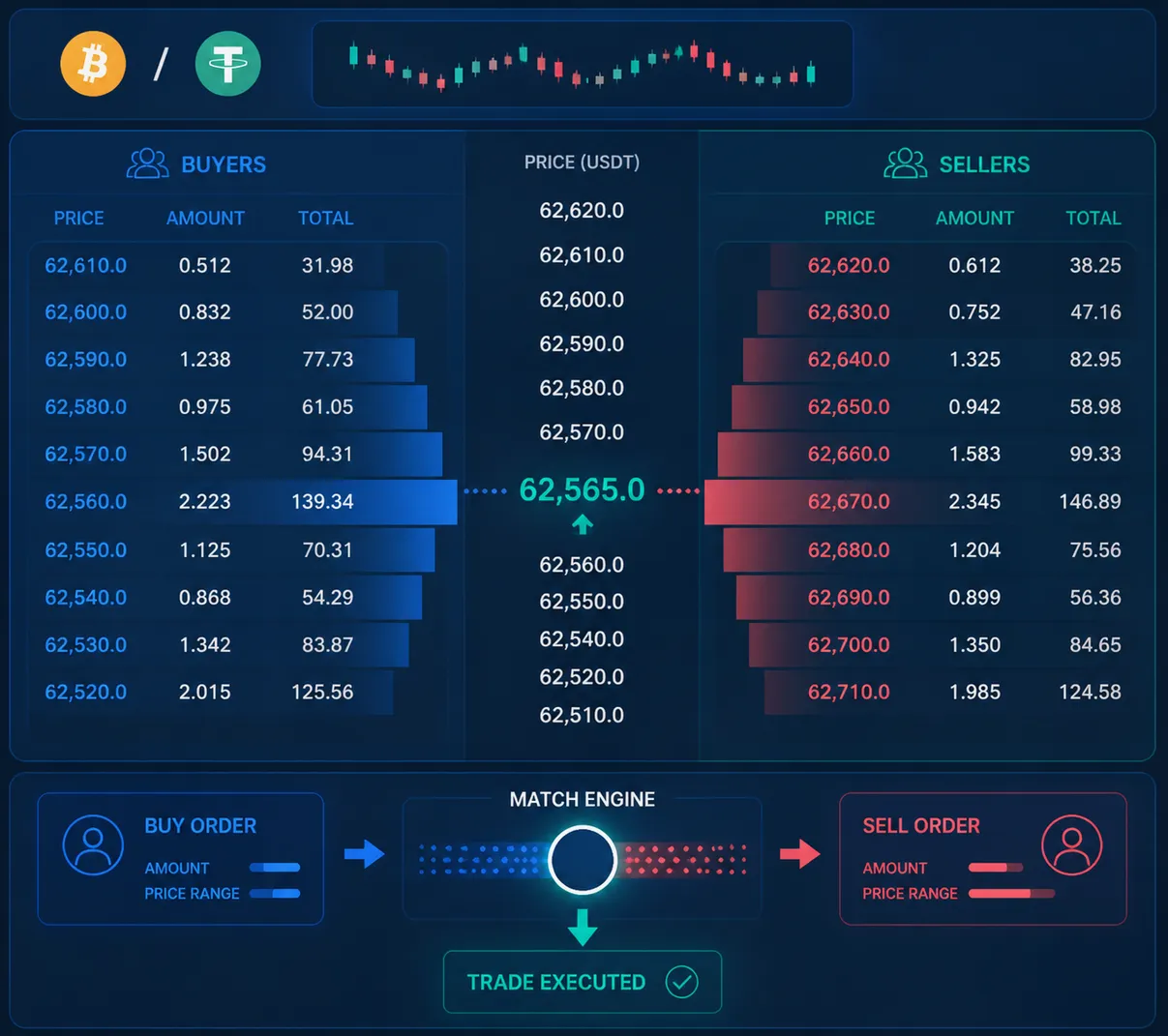
The core function of CoinEx is its order book. Every trading pair—for example, BTC/USDT—has buyers entering bids and sellers entering asks. When compatible orders meet, a trade is completed. The visible difference between the best bid and best ask is known as the spread, while the exchange charges a trading fee according to its current fee schedule and account conditions.
Most users start in the spot market. Spot trading means exchanging one asset for another at the current market price or at a price you set. A few common order choices are:
- Market order: executes as quickly as possible at available market prices.
- Limit order: lets you choose the price you are willing to buy or sell at.
- Stop order: can be used to trigger an order when a selected price level is reached.
A limit order can offer more price control, although it may not execute if the market never reaches the selected level. A market order is convenient, but the completed price can differ from the number you first see during a fast-moving market. Understanding this distinction is one of the most practical early lessons for anyone learning how to use CoinEx.
Key CoinEx features for crypto users
CoinEx offers more than a basic conversion screen. Depending on your location and the assets involved, its ecosystem can include spot trading, futures trading, swap functions, savings-oriented products, and market data tools. The right feature depends on your knowledge and risk tolerance.
Spot trading and crypto swaps
Spot trading is often the most suitable place for a beginner to learn the platform. You select a trading pair, review the chart and order book, then decide whether to place a market or limit order. A swap or conversion feature can be simpler for users who only want to exchange one supported token for another without analyzing a full trading chart.
Futures trading
CoinEx also provides futures products in eligible jurisdictions. Futures can allow traders to speculate on whether a cryptocurrency will rise or fall, and some contracts may involve leverage. Leverage magnifies both gains and losses, making futures materially riskier than ordinary spot purchases. Never treat leverage as a shortcut to guaranteed returns; a position can be liquidated quickly in volatile conditions.
Mobile access and market tools
Crypto prices do not follow stock-market hours, so mobile access can be useful for checking open orders, receiving price alerts, or managing account security while away from a computer. Charts, order history, asset pages, and market rankings can help users research a token, but no chart or indicator removes market risk.
CoinEx fees and the referral benefit
Trading fees matter because they affect every purchase, sale, and rebalancing decision. Before trading, review the platform’s official fee page for the latest maker/taker rates, withdrawal charges, supported networks, and any discounts that apply. Withdrawal fees can vary significantly by blockchain network, so sending a small test amount is often sensible when using a wallet address for the first time.
New users who want to explore the platform can register through this CoinEx referral link for a fee discount and a chance at a $1,500 bonus. The referral code is mhz7w. Promotional terms, eligibility, bonus availability, and discount conditions can change, so read the campaign details displayed during registration before making decisions based on a reward.
How to create a CoinEx account
Opening an account is generally a short process, but taking security seriously from the first minute is essential.
- Visit the CoinEx registration page with referral code mhz7w.
- Register with an email address or other supported sign-in method.
- Create a unique, long password that is not reused on another service.
- Confirm your email and complete any identity verification required for your account, jurisdiction, or desired features.
- Turn on two-factor authentication (2FA) before funding the account.
- Review deposit networks carefully, then deposit supported crypto or use an available purchase method.
When depositing crypto, the network must match on both the sending and receiving side. For example, a token may exist on multiple networks, and choosing the wrong one can delay recovery or lead to permanent loss. Check the deposit address, network label, memo/tag requirement, and minimum deposit amount every time.
Security practices worth using on CoinEx
No exchange account should be treated casually. A strong password and 2FA are the baseline, not advanced precautions. Use an authenticator app where possible, protect backup codes offline, and be skeptical of direct messages claiming to be customer support.
It is also helpful to enable available withdrawal security settings, such as address whitelisting or confirmation checks. Before logging in, verify that you are on the correct CoinEx domain rather than a lookalike phishing page. Search ads, copied websites, and fake social accounts are common threats across the crypto industry.
For long-term holdings, many investors prefer to consider self-custody with a reputable wallet after learning how private keys and recovery phrases work. Self-custody gives the user more direct control, but it also creates full responsibility: anyone who loses a recovery phrase may lose access to the assets. The appropriate choice depends on the amount held, experience level, and personal security process.
Is CoinEx suitable for beginners?
CoinEx can be approachable for beginners because the main workflow—fund an account, select an asset, review a pair, and place an order—is familiar once explained. Still, accessibility should not be confused with simplicity in the broader crypto market. Token prices can move sharply, stablecoins have their own risks, and small-cap assets may have low liquidity.
A careful beginner approach is to start with a small amount, use spot markets rather than leveraged products, and practice reading order previews. Learn the difference between available balance, frozen balance, order price, filled quantity, and network fee. Keeping a simple record of transactions can also make later portfolio review and tax reporting less stressful.
What to check before choosing CoinEx
Whether CoinEx is a good fit depends on your country, goals, and preferred assets. Compare the exchange against your own checklist instead of relying only on rankings or social-media opinions. Useful questions include:
- Is CoinEx available and compliant for users in my jurisdiction?
- Does it list the coins and trading pairs I actually need?
- What are the current spot, futures, deposit, and withdrawal fees?
- Which fiat purchase methods are available where I live?
- Does the platform provide the security controls I expect?
- Am I prepared for the risks of volatile crypto assets?
It is especially important to verify current product availability directly through CoinEx, since cryptocurrency regulations and exchange offerings can change. Do not invest money you cannot afford to lose, and do your own research on every asset rather than treating an exchange listing as an endorsement.
CoinEx FAQ

Is CoinEx a wallet?
CoinEx provides an exchange account where supported digital assets can be held and traded. It is not the same as a self-custody wallet where you alone control the private keys. Both approaches have different convenience and security trade-offs.
Can I use CoinEx to buy Bitcoin?
CoinEx supports crypto trading markets that can include Bitcoin. The exact ways to fund an account or purchase BTC depend on your location, local rules, and currently supported payment methods.
What is the CoinEx referral code?
The referral code is mhz7w. Registering through the CoinEx referral link may provide a fee discount and a chance to receive a $1,500 bonus, subject to the promotion’s current terms and eligibility requirements.
Is crypto trading risky?
Yes. Cryptocurrency values are volatile, technical and operational mistakes can be costly, and leveraged products increase risk further. Use security controls, verify transaction details, and begin with an amount you can afford to lose.