

OKX Copy Trading: Getting Started is a practical way to explore crypto derivatives strategies without building every trade from scratch. Instead of manually opening and closing every position, a copy trader can choose an eligible lead trader and have selected futures trades replicated in their own account according to defined limits. It is still trading—not a guaranteed income tool—and the settings you choose matter as much as the trader you follow.

- 20% trading fee discount
- $100 signup bonus
- $10,000 futures bonus

- 20% fee cashback
- $60,000 futures bonus

- 20% fee cashback
- $8,000 bonus

- 50% trading fee discount
- 20% fee cashback
- $6,200 futures bonus

- 20% trading fee discount
- $30,050 signup bonus

- 20% fee cashback
- $10,000 bonus
For people researching how to start copy trading on OKX, the useful question is not simply “Which trader made the most?” A more durable process is to understand the product, fund the correct account, assess risk-adjusted performance, and begin with an amount you can afford to lose.
Promotion: New eligible users can register through OKX with referral code CRYPTONEWER to access the advertised 20% fee cashback and a $60,000 futures bonus offer. Bonus availability, eligibility, regional access, and campaign terms can change, so read the conditions shown in the app or website before trading.
What Is OKX Copy Trading?
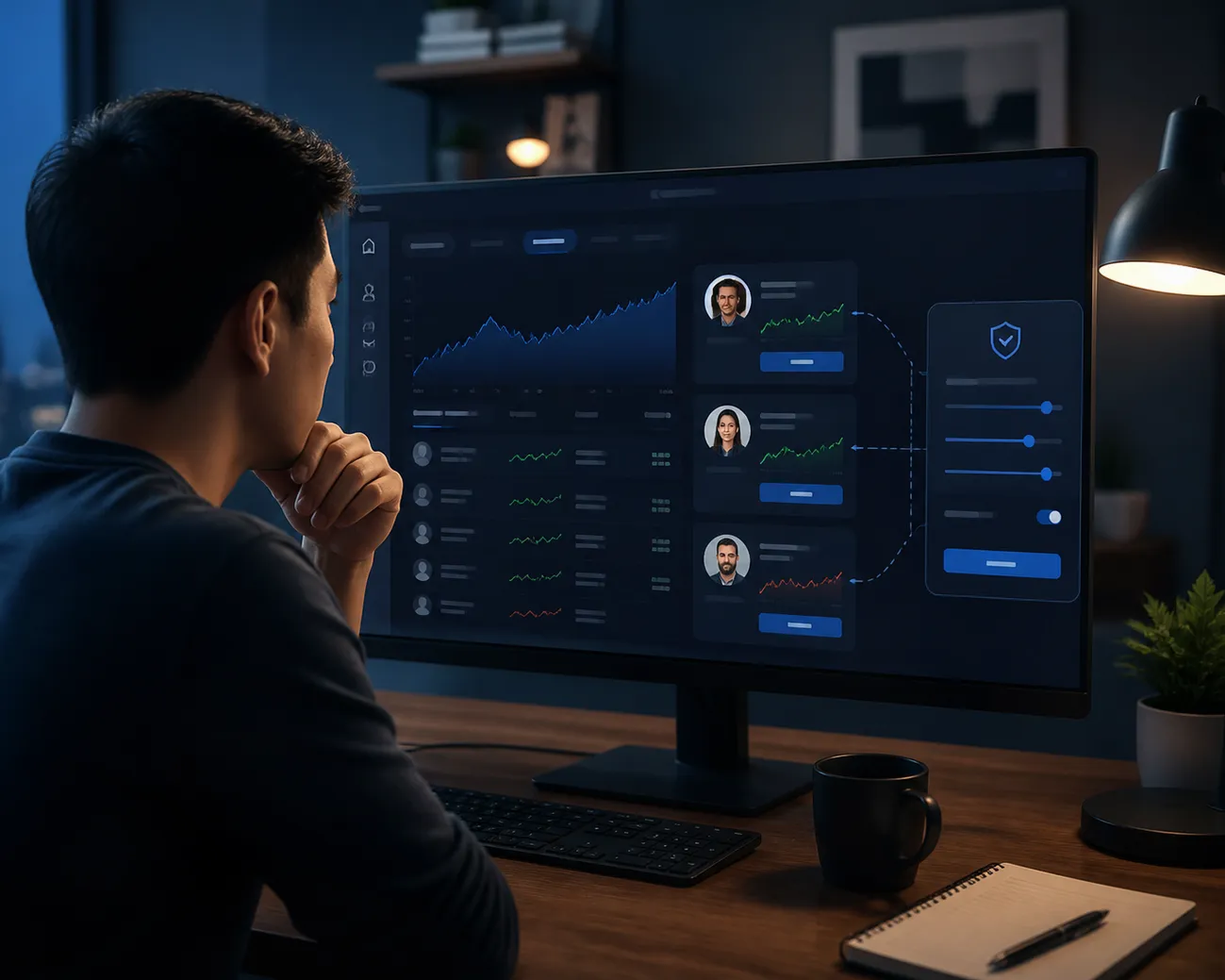
OKX Copy Trading is a social trading feature that connects lead traders with users who want to copy their strategies. A lead trader opens futures positions; a copy trader’s account can mirror those positions using the copy mode and risk controls selected during setup. The exact execution price, position size, fees, funding, slippage, and results can differ between accounts, so copied performance will not be identical to a lead trader’s headline record.
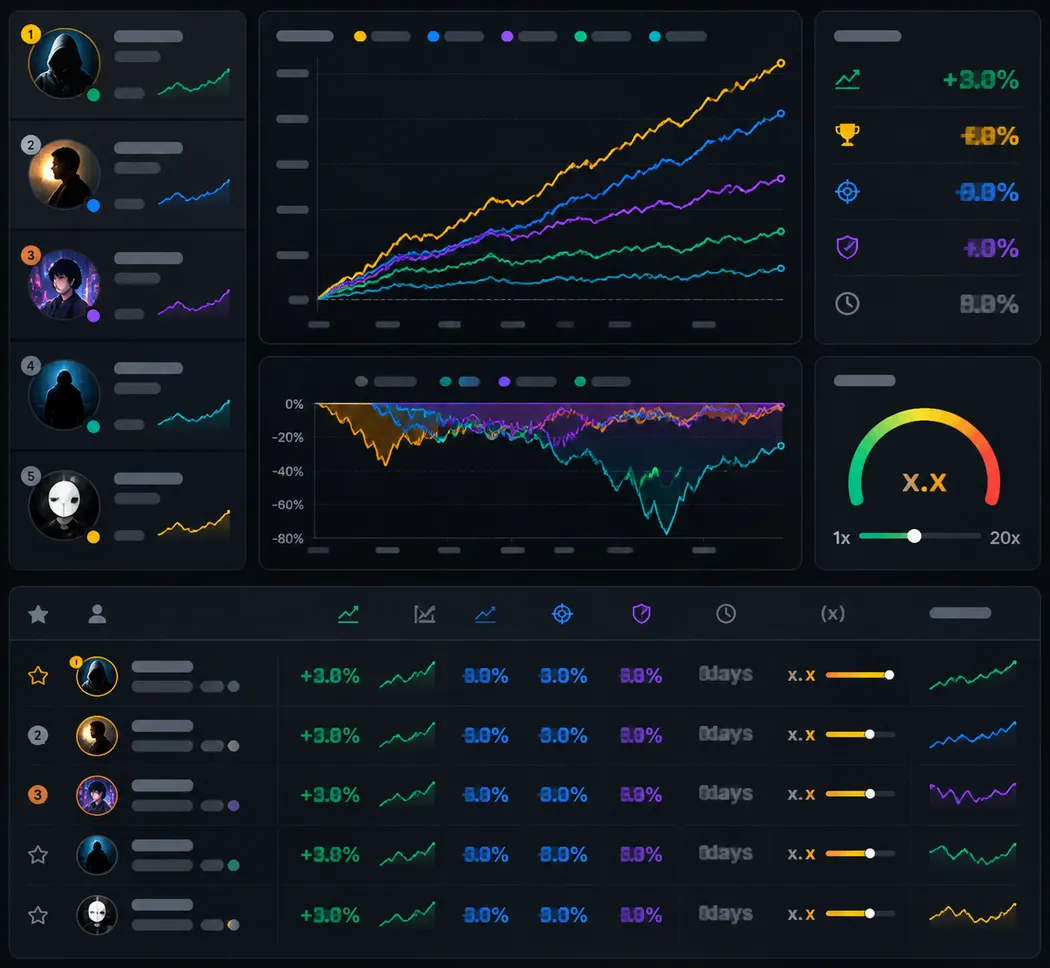
This distinction is important. A strong historical return may have been produced with aggressive leverage, a small account, a brief favorable market, or drawdowns that are easy to miss in a simple return chart. The purpose of copy trading is to streamline execution and provide visibility into a trader’s activity—not to remove market risk.
Create and Secure Your OKX Account First
Begin by opening an account through OKX using CRYPTONEWER. During registration, enter the referral code CRYPTONEWER if it is not automatically applied. The listed promotion highlights 20% fee cashback and a potential $60,000 futures bonus; verify the offer details directly in your account because requirements may include verification, trading volume, deposit thresholds, completion windows, or location restrictions.
Before adding substantial funds, complete the security basics:
- Use a long, unique password stored in a reputable password manager.
- Enable two-factor authentication (2FA), preferably with an authenticator app.
- Turn on anti-phishing protections if they are available in your security settings.
- Review withdrawal-address controls and device/login history.
- Complete identity verification where required for the services you intend to use.
These steps are not glamorous, but account security is part of any responsible crypto trading plan. Copy settings cannot protect capital if account access is compromised.
Fund the Right Account and Understand Futures Risk
Copy trading on OKX generally involves futures products, which require a suitable trading balance and expose users to leverage-related risk. Deposit assets through the method available in your region, then make sure funds are transferred to the relevant trading account before attempting to copy a lead trader. Account names and transfer flows can vary by interface, so confirm the current on-screen instructions rather than assuming all balances are interchangeable.
Futures can move against a position quickly. Leverage magnifies both gains and losses, and a position may be liquidated if margin becomes insufficient. Perpetual futures can also involve funding payments. Even if a trader’s directional call is correct over several days, a leveraged position can still fail before that move plays out. Start by treating your first allocation as a learning allocation, not as money you need for bills, debt payments, or essential savings.
How to Find a Lead Trader on OKX
Navigate to the Copy Trading area in the OKX app or web platform. The trader directory commonly presents performance metrics and profile information that help users compare candidates. Avoid sorting by profit alone. A more thoughtful shortlist looks at both return and the path taken to achieve it.
When reviewing a potential lead trader, examine these points:
- Track record length: A strategy that has operated across multiple market conditions is usually more informative than a spectacular one-week result.
- Maximum drawdown: This shows how deeply the strategy has fallen from a prior peak. Decide whether you could realistically tolerate a similar decline.
- Win rate and profit/loss profile: A high win rate can hide rare but very large losses. Look for balance rather than one flattering number.
- Assets and market focus: Check whether the trader concentrates on BTC, ETH, altcoins, or highly volatile contracts. Different instruments carry different liquidity and volatility profiles.
- Leverage and position behavior: High leverage, frequent averaging down, and oversized concentration can create risk that is not obvious from recent profits.
- Number of copiers and capacity: Popularity can be a useful signal, but it is not proof of quality. Capacity limits and changing execution conditions also matter.
A sensible OKX copy trading strategy is to compare several profiles, read available trading statistics, and avoid making a decision solely from a leaderboard. Recent winners often attract capital after their strongest run, which can be exactly when risk is elevated.
Choose Copy Settings Before You Confirm
After selecting a lead trader, OKX will present copy parameters. The wording can differ by platform updates, but the central idea is consistent: you define how much capital and exposure your account can use. Read every field before confirming.
Common choices may include a fixed amount per trade, a proportional method based on the lead trader’s allocation, a total copy amount, and limits on position size. Fixed sizing can be easier for beginners to understand because every copied order begins from a clearly defined ceiling. Proportional sizing can align your allocation more closely with the lead trader’s activity, but it still requires careful review of your own account size and risk tolerance.
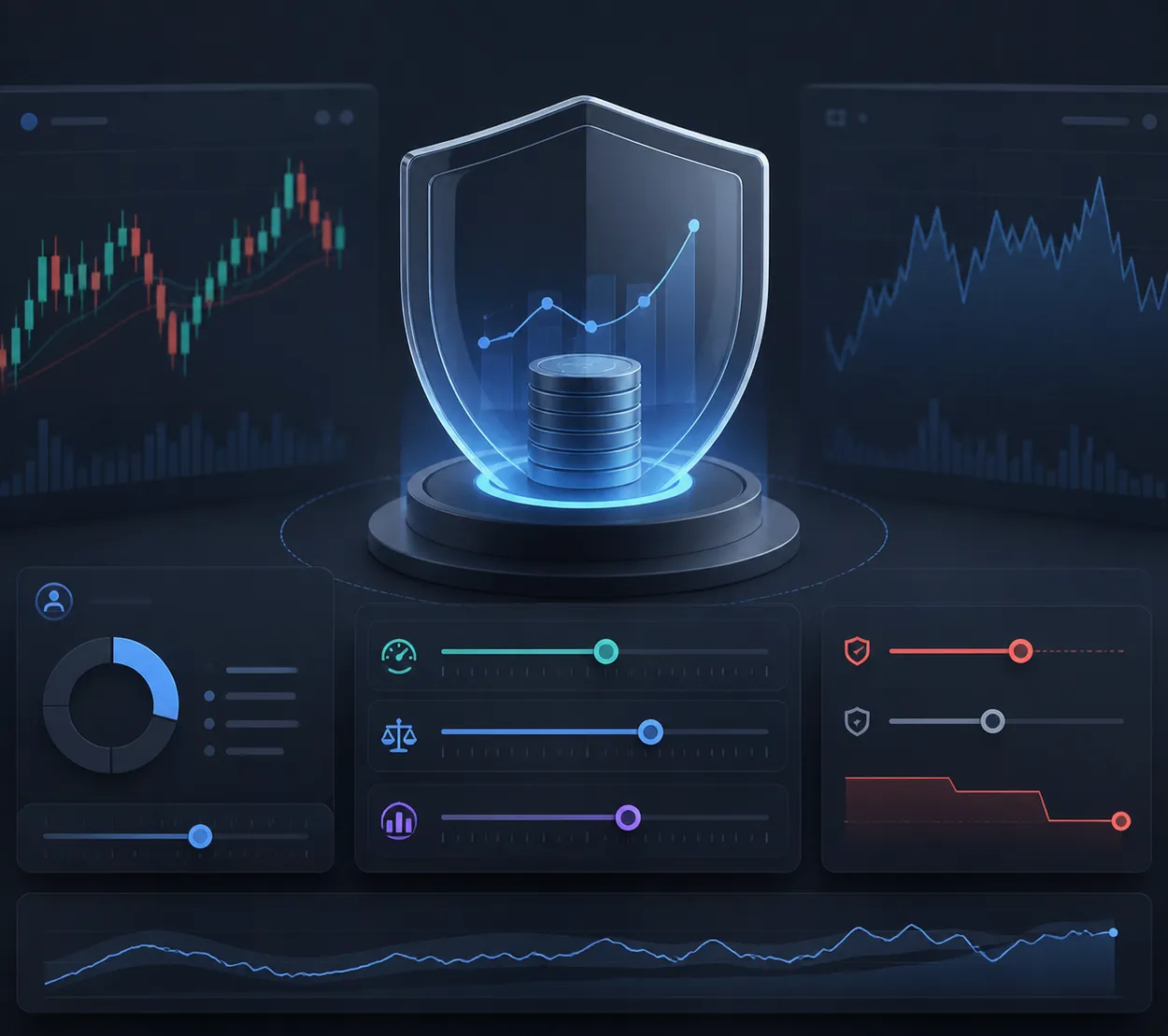
Use protective limits where offered. For example, a copy-trading budget, maximum amount per position, or stop-copy condition can prevent a single strategy from consuming more of the account than intended. Keep unallocated collateral available rather than committing every dollar. Markets can gap, execution can differ, and multiple open positions may create more combined exposure than expected.
A Conservative First-Copy Framework
For a first attempt at OKX Copy Trading: Getting Started, consider a deliberately modest framework:
- Allocate only a small percentage of the capital you have designated as speculative.
- Copy one trader first instead of stacking several highly correlated traders.
- Prefer transparent, longer-duration records over extreme short-term percentage gains.
- Set a personal review point, such as after a defined number of trades or a week of market activity.
- Pause copying if actual drawdown or behavior exceeds the risk you accepted at setup.
This approach may feel slower than chasing the top-ranked profile, but it gives you room to learn how trade replication, fees, funding, and volatility affect your real balance. It also makes it easier to distinguish a strategy’s process from a temporary winning streak.
Monitor Copied Positions Instead of Going Fully Passive
Copy trading is often described as passive, but “hands-off” should not mean “unmonitored.” Check your open positions, realized and unrealized profit and loss, margin status, and copy allocation regularly. Notice whether copied trades are being opened at materially different prices than the lead trader’s displayed entries. In fast markets, even a small price difference can matter, especially with leverage.
Pay attention to whether the lead trader changes style. A profile that historically held low-leverage BTC positions may begin taking rapid altcoin trades or increasing leverage after a winning period. Historical statistics are useful, but they are not a contract that future behavior will remain the same. If the strategy no longer matches your plan, stop copying or reduce the allocation according to the platform’s available controls.
Fees, Funding, and Slippage Can Change Results
A realistic view of how to start copy trading on OKX includes trading costs. Futures results can be affected by trading fees, funding payments on perpetual contracts, spreads, and slippage. If the copied strategy trades frequently, small costs may accumulate. A promotion such as the advertised 20% fee cashback can be valuable, but it should not be the reason to take positions you would otherwise avoid.
The OKX referral offer for CRYPTONEWER also advertises a $60,000 futures bonus, subject to applicable rules. Treat bonuses as promotional incentives with specific conditions—not as free capital that makes leveraged trades safe. Review expiry dates, eligible instruments, turnover requirements, withdrawal rules, and potential restrictions before relying on any bonus in a trading plan.
Keep Records and Build Your Own Decision Process
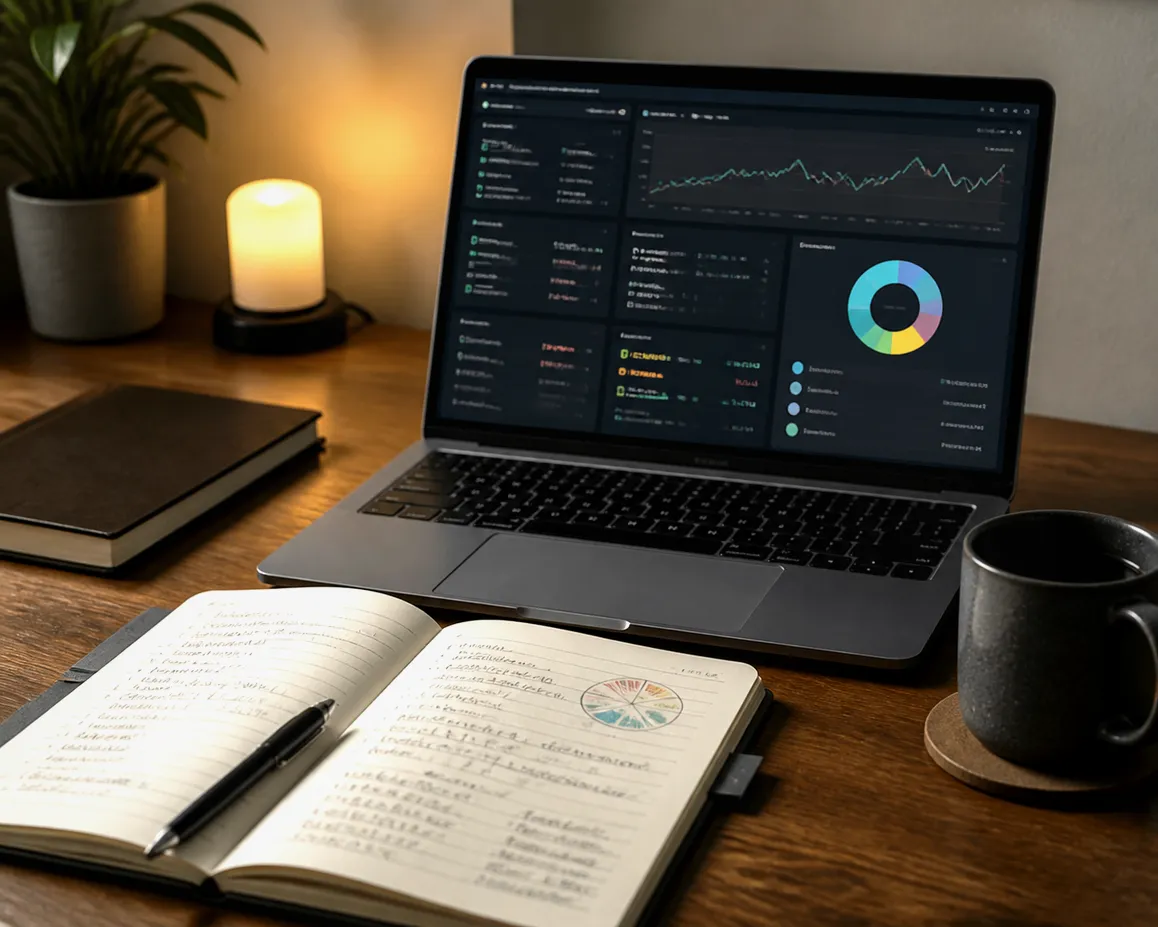
Maintain a simple copy-trading journal. Record the lead trader selected, allocation amount, copy mode, date started, maximum drawdown observed, fees or funding paid, and reason for continuing or stopping. This turns copy trading from a purely emotional experience into something you can evaluate over time.
You can also compare outcomes against a benchmark such as holding BTC or keeping the same amount in cash. If a copied strategy produces stress, large swings, or complex costs without a result that justifies those trade-offs, reducing exposure can be a rational decision. The best copy trader for someone else may not be the right fit for your time horizon or risk capacity.
Practical Checklist Before Your First Copied Trade
- Register securely through OKX and the CRYPTONEWER referral link.
- Confirm whether the 20% fee cashback and $60,000 futures bonus apply to your account and region.
- Enable 2FA and verify your account security settings.
- Transfer only a small, risk-appropriate amount into the relevant trading balance.
- Review lead trader history, drawdown, leverage behavior, instrument selection, and trade frequency.
- Set conservative copy limits and preserve unused margin.
- Monitor open exposure, funding, fees, and changes in the lead trader’s approach.
- Stop or reassess the copy relationship when it no longer matches your predefined risk rules.
This article is educational information, not financial, investment, legal, or tax advice. Crypto assets and futures trading are volatile and may result in the loss of all funds allocated to trading.
Related posts:
 What Is LUNC Coin? Powerful Guide to Terra Classic and How to Buy LUNC
 How to Start Trading on OKX Spot Market with Proven Steps to Trade Confidently
 Binance listed coins 2026: Insider breakdown of new listings, exact dates, and smarter ways to trade them
 What is the RARE (SuperRare) Coin, and how to buy: An Actionable Guide for NFT Art Collectors and Crypto Investors