
What is MEXC? MEXC is a centralized cryptocurrency exchange where people can buy, sell, trade, and store a wide range of digital assets. It is particularly known in the crypto community for offering a large selection of altcoins, early token listings, spot markets, and derivatives tools. For someone looking beyond only Bitcoin and Ethereum, the MEXC crypto exchange can be a practical place to research emerging projects and access actively traded markets.

- 20% trading fee discount
- $30,050 signup bonus

- 20% trading fee discount
- $100 signup bonus
- $10,000 futures bonus

- 20% fee cashback
- $60,000 futures bonus

- 20% fee cashback
- $8,000 bonus

- 50% trading fee discount
- 20% fee cashback
- $6,200 futures bonus

- 20% fee cashback
- $10,000 bonus
Founded in 2018, MEXC serves users across many regions, although available products, verification rules, and supported payment methods can vary by location. As with every exchange, check whether MEXC is available where you live and review the platform’s current terms before depositing money.
What Can You Do on MEXC?
At its core, MEXC matches buyers and sellers. A user can deposit crypto or, where supported, purchase crypto through available fiat payment partners. From there, they can exchange one asset for another in the spot market or use more advanced products if they understand the added risks.
Common MEXC features include:
- Spot trading for direct purchases and sales of assets such as BTC, ETH, stablecoins, and altcoins.
- Futures trading, including perpetual futures contracts. These products may use leverage and are substantially riskier than spot trading.
- New token discovery, with frequent listings that can appeal to traders monitoring smaller-cap cryptocurrencies.
- Earn and promotional campaigns, which may include staking-style or launch-related opportunities depending on the market and eligibility.
- Wallet and account tools, including deposit addresses, withdrawal management, transaction history, and security settings.
The biggest answer to “why use MEXC?” is usually asset variety. Large exchanges often prioritize the most established coins, while MEXC is commonly used by traders who want to find tokens earlier in their trading lifecycle. That advantage also demands extra care: a listing is not proof that a token is legitimate, liquid, or a good investment.
How Does MEXC Spot Trading Work?
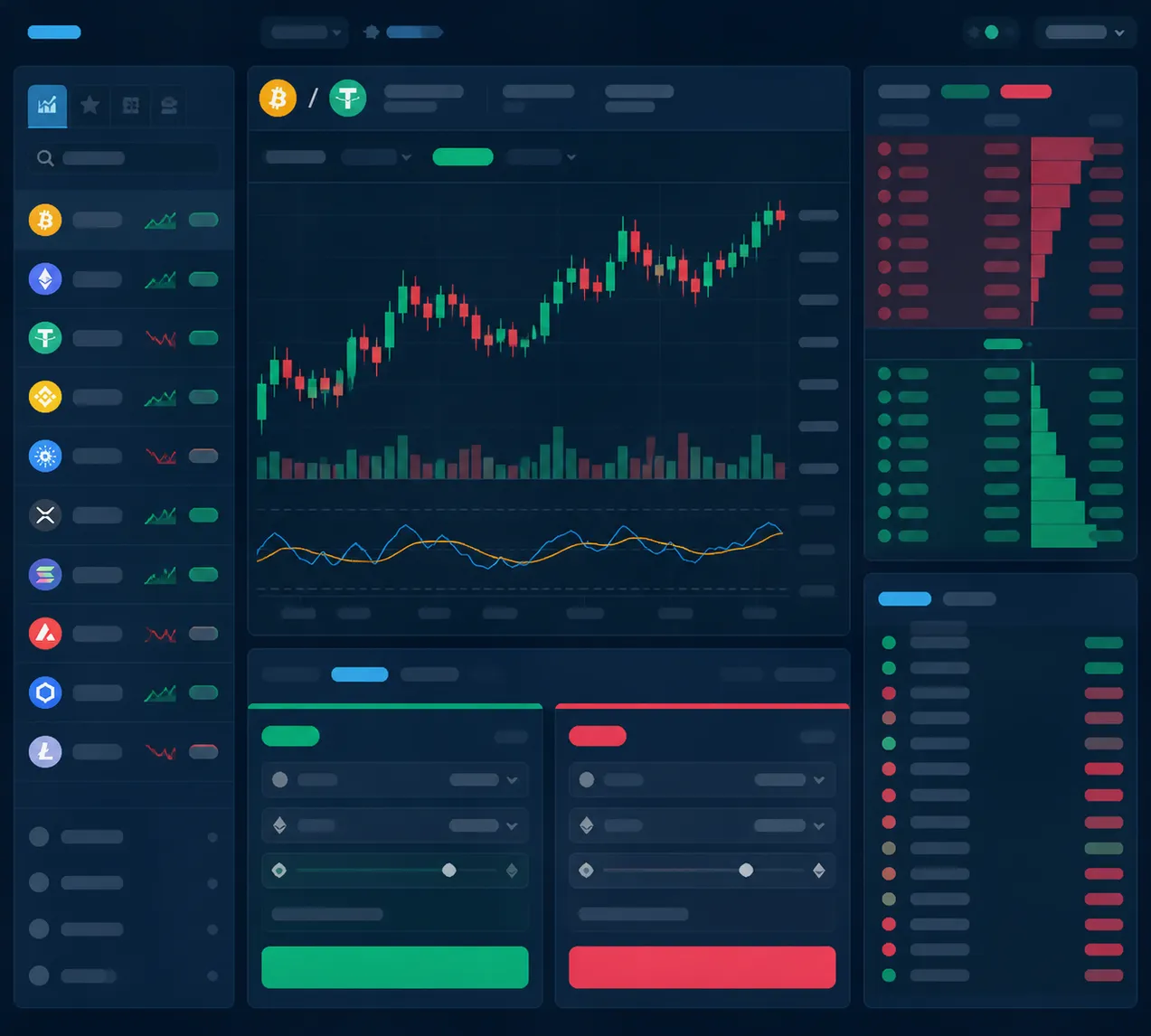
Spot trading means exchanging one asset for another at the current market price or at a price you choose. For example, a trader holding USDT could place an order to buy a cryptocurrency in a USDT trading pair.
There are two basic order types new users should understand:
- Market order: Buys or sells immediately using the best prices currently available in the order book. It prioritizes execution, not a guaranteed price.
- Limit order: Lets you set a specific price. The order only executes if the market reaches that price and enough liquidity is available.
Before trading, look at the pair’s volume, order-book depth, spread, and recent price movement. Thinly traded assets can move sharply, and a market order may fill at a less favorable price than expected. This is one reason beginners often start with small orders and liquid pairs.
MEXC Futures: Important Risk Information
MEXC also provides futures products in eligible jurisdictions. Futures let users speculate on whether an asset’s price will rise or fall, and leverage can increase the size of a position. While that can amplify potential gains, it also amplifies losses and can lead to liquidation very quickly.
If you are new to trading, do not treat leverage as a shortcut. Learn the difference between isolated and cross margin, calculate your liquidation risk, use stop-loss orders where appropriate, and never put essential funds into a leveraged position. Crypto futures trading is not suitable for everyone.
Is MEXC Safe to Use?
Safety is not a simple yes-or-no question for any centralized exchange. MEXC provides account-security features, but users still need to take responsibility for securing their own access and managing exchange risk.
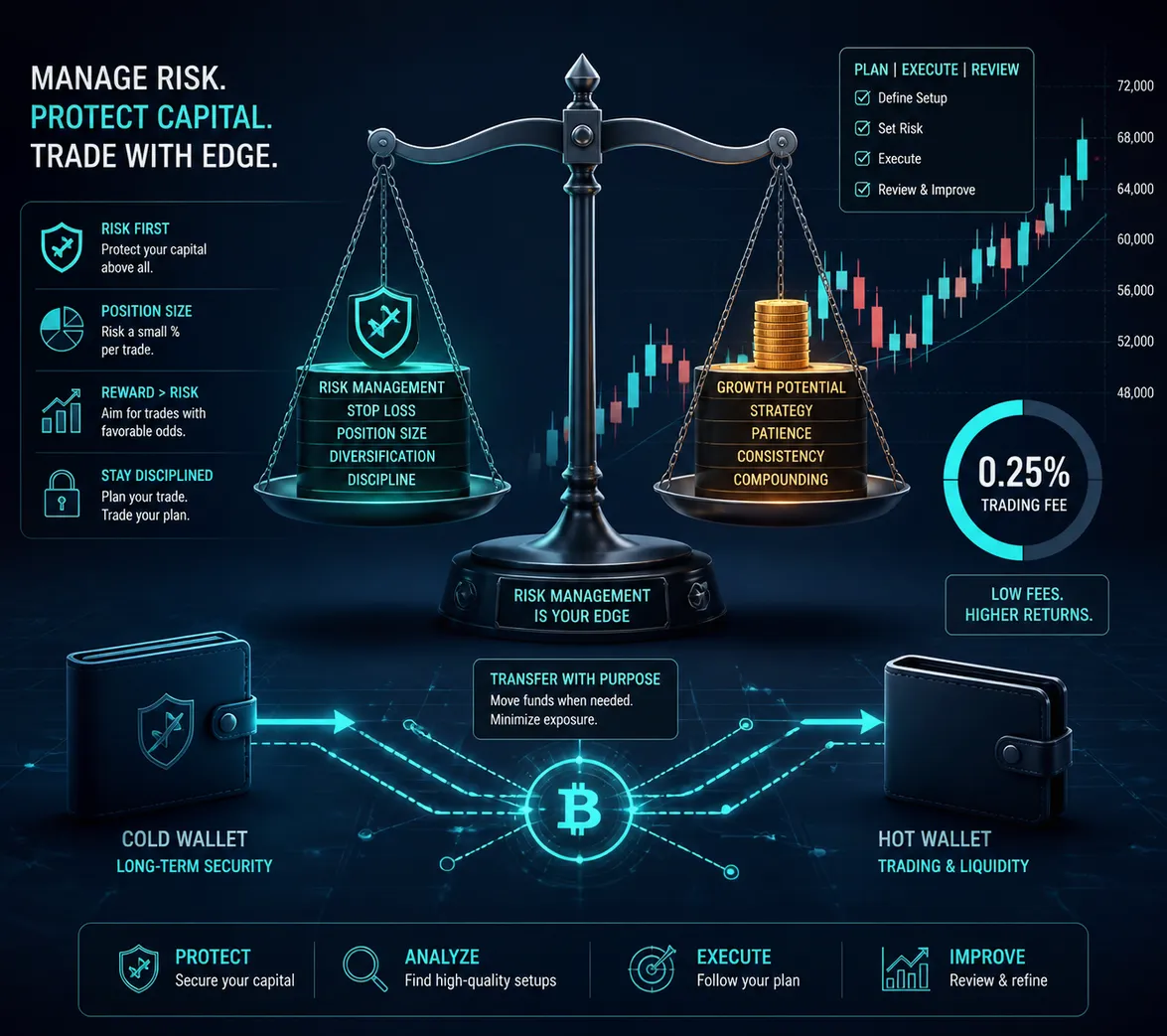
A sensible MEXC security checklist includes:
- Enable two-factor authentication (2FA) with an authenticator app.
- Use a long, unique password that is not reused on other websites.
- Turn on anti-phishing protections if available.
- Confirm every withdrawal address carefully; crypto transfers are generally irreversible.
- Be skeptical of direct messages, fake support accounts, and “guaranteed profit” groups.
- Avoid keeping more funds on an exchange than you need for active trading.
For long-term holdings, many investors prefer self-custody through a reputable personal wallet. However, self-custody has its own responsibility: losing a seed phrase can mean permanently losing access to assets.
How to Create a MEXC Account
The basic setup process is straightforward. Start by opening the official registration page, create an account, secure it with 2FA, and complete any identity checks required for the features you plan to use. Deposit only after you have confirmed the correct network and wallet address.
New users can register through MEXC and claim 20% fee cashback plus an $8,000 bonus opportunity. The referral code mexc-CRYPTONEWER is included through that registration link. Bonuses and cashback are typically subject to campaign terms, eligibility rules, trading requirements, and regional availability, so read the promotion details in your account before making decisions based on an offer.
MEXC Fees and Costs to Check Before Trading
Fees can affect results more than many traders expect, especially when making frequent trades. On MEXC, the final cost can depend on the product used, maker-versus-taker execution, asset, network, account status, and active campaigns. A maker order adds liquidity to the order book; a taker order removes available liquidity by filling an existing order.
Also review withdrawal fees and minimum withdrawal amounts for each coin and blockchain network. Sending USDT on different networks can have different costs and compatibility requirements. Always make sure the receiving wallet supports the exact network you select.
The MEXC signup offer with 20% fee cashback may help eligible active traders reduce applicable trading costs, but it should not be the only reason to choose an exchange. Compare liquidity, supported assets, security controls, local availability, and your own trading plan.
Who Is the MEXC Exchange Best For?
MEXC may be most relevant for crypto users who want broad altcoin access, traders who understand spot-market mechanics, and experienced market participants looking for additional trading pairs. It can be less suitable for someone who wants a minimal, Bitcoin-only experience or who is not ready to manage crypto volatility.
The best way to use any exchange is deliberately: verify the official website, protect your account, begin with an amount you can afford to lose, and research every asset independently. A platform gives you access to markets; it does not remove the need for careful risk management.
Getting Started With MEXC


If MEXC matches your needs, use the official MEXC registration page and referral code mexc-CRYPTONEWER to explore the current 20% fee cashback and up to $8,000 bonus promotion. After registration, secure the account first, review the fee schedule and regional rules, then take time to learn the interface before placing a live trade.