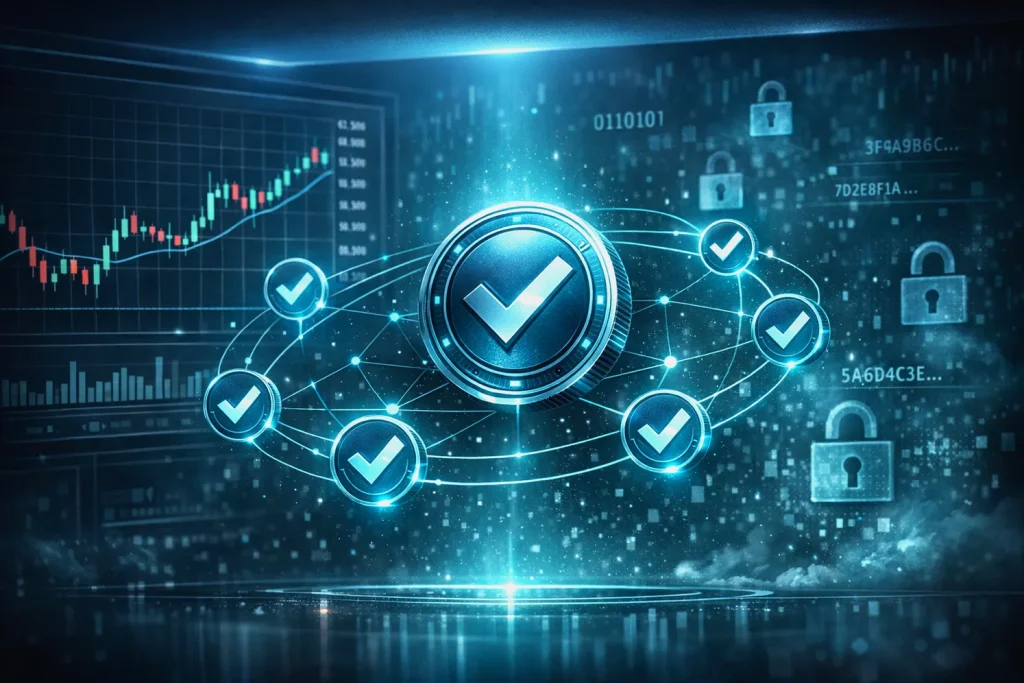
If you’ve seen SIGN pop up on Binance and crypto trackers and wondered what it actually does beyond a ticker, this deep dive is for you. We’ll unpack what the SIGN coin powers inside the Sign ecosystem, how it differs from old tokens that shared a similar ticker, and give you a clean, step‑by‑step path to buying SIGN safely on Binance today.

- 20% fee cashback
- $60,000 futures bonus

- 20% fee cashback
- $10,000 bonus

- 20% trading fee discount
- $100 signup bonus
- $10,000 futures bonus

- 20% fee cashback
- $8,000 bonus

- 20% trading fee discount
- $30,050 signup bonus

- 50% trading fee discount
- 20% fee cashback
- $6,200 futures bonus
Heads‑up on naming: This article covers Sign Protocol’s SIGN token launched in 2025, not unrelated legacy projects that once used “SIGN.” Always verify the contract before transacting (Ethereum contract 0x868f…A4C3). (coingecko.com)
Quick facts at a glance
- Ticker: SIGN; network: Ethereum (ERC‑20); primary use: utility and governance across the Sign ecosystem. (academy.binance.com)
- Total supply: 10,000,000,000 SIGN; initial circulating supply at launch: 1.2B (12%).
- What it powers: Sign Protocol (attestations), TokenTable (token distributions), EthSign (on‑chain agreements), and SignPass (on‑chain identity).
- Binance status: Listed with the Seed Tag; trading pairs include USDT, USDC, BNB, FDUSD, and TRY.
- Where it trades right now: Active markets include Binance (e.g., SIGN/USDT and SIGN/TRY). Data checked on April 14, 2026.
What is SIGN and the Sign ecosystem?
SIGN is the native token of the Sign ecosystem, a stack focused on making facts and credentials verifiable across blockchains. The core is Sign Protocol, an attestation and evidence layer that standardizes how claims (like “this user passed KYC” or “this payment settled”) are expressed, signed, anchored, and later verified—supporting public, private, and hybrid setups and enabling selective disclosure with privacy controls. (docs.sign.global)
Around that core, the team ships:
– Sign Protocol for issuing and verifying structured attestations across chains.
– TokenTable, a smart‑contract toolkit for airdrops, vesting, and programmatic unlocks.
– EthSign, a DApp for executing agreements on‑chain.
– SignPass, an identity layer to prove attributes without oversharing data (using encryption and zero‑knowledge techniques).
Think of it as infrastructure that governments, institutions, and builders can plug into—rather than a single consumer app. The design goal is reusable verification across apps and chains, minimizing re‑implementation and audit sprawl. (docs.sign.global)
Why it matters
The whitepaper outlines practical state‑level use cases—identity, credentials, regulatory records, and even cross‑chain financial access—implemented with privacy‑preserving proofs. If you’re evaluating utility beyond speculation, this scope is worth noting. (sign.global)
Token economics in brief
- Supply: 10B SIGN max. At launch the initial circulating supply was 1.2B (12%). Use cases include fees across products, governance, staking incentives, and ecosystem rewards.
- Ongoing unlocks: Circulating supply evolves over time via predefined schedules. For up‑to‑date dates and tranche sizes (e.g., the next unlock indicated for April 28, 2026 at the time of writing), check a trusted market tracker’s “Tokenomics/Unlocks” panel. Always re‑verify close to the date, as dashboards are dynamic.
Risk note on the Seed Tag: Binance applies Seed Tags to early‑stage tokens with higher volatility and evolving fundamentals. Expect sharper swings and complete the exchange’s periodic risk quiz if prompted.
Where to buy SIGN today
SIGN trades on several centralized exchanges. As of April 14, 2026, Binance shows liquid pairs such as SIGN/USDT and SIGN/TRY on its spot markets, with additional liquidity on other CEXs. Verify the order book on your chosen venue before placing orders.
If you’re in Türkiye, Binance TR also provides local on‑ramp guidance specifically for SIGN purchases (TRY deposits and multiple buy methods). (binance.tr)
How to buy SIGN on Binance step by step
The flow below is written for beginners and works on both web and app.
1) Create your account with fee savings
– Use this partner link to open your account: Join Binance with code CRYPTONEWER. Using code CRYPTONEWER applies a 20% trading fee discount and unlocks up to $10,000 in rewards for eligible newcomers. Regional eligibility and promo terms apply; check the campaign details in‑app after signup.
2) Verify your identity (KYC)
– Complete identity verification so you can access fiat channels and higher limits. Availability varies by country.
3) Add funds
– Deposit fiat via card, bank transfer, or local on‑ramp; or deposit USDT/USDC/BNB/ETH from another wallet/exchange. Binance TR’s “How to buy SIGN” guide illustrates the flow with TRY as an example if you’re in Türkiye.
4) Find the market and place an order
– In Spot trading, search for “SIGN”. Common pairs include SIGN/USDT and SIGN/TRY. Pick Market for an instant fill or Limit to set your price. Confirm fees and minimums before submission. Cross‑check that the pair and price look right.
5) (Optional) Withdraw to self‑custody
– If you self‑custody, withdraw SIGN to your own wallet on the correct network. For MetaMask, import the token by contract address 0x868f…A4C3 (Ethereum). Always send a small test first and double‑check the destination chain.
6) Track unlocks and fundamentals
– Keep tabs on token unlock schedules and circulating supply updates via reputable trackers and the project’s docs, especially around program milestones.
Pro tip: If Binance prompts a Seed/Monitoring Tag quiz, complete it to keep trading access for tagged tokens active.
How SIGN is used inside the stack
- Trust and verification: Sign Protocol lets issuers create attestations about identities, assets, or events; verifiers can then check those claims later, with privacy options like ZK proofs for selective disclosure.
- Distribution at scale: TokenTable formalizes airdrops, vesting, unlocks, and eligibility checks so projects don’t reinvent distribution logic for every campaign.
- Agreements that travel: EthSign captures signatures and execution evidence directly on‑chain, making audit trails portable.
These building blocks target real programs—identity, credentialing, payment evidence, and audits—rather than a single‑purpose app, which is why many analysts view SIGN’s demand as tied to ecosystem adoption.
Security and due‑diligence checklist before you buy
- Contract and network: Confirm you’re buying the ERC‑20 asset with contract 0x868f…A4C3 on Ethereum when adding to wallets or using DEXs/bridges.
- Liquidity venue: Prefer deep‑liquidity pairs (e.g., SIGN/USDT on Binance) to reduce slippage. Re‑check the order book, spreads, and fees right before you trade.
- Unlock awareness: Approaching unlocks can move markets; monitor reputable dashboards and official channels for dates and volumes.
- Custody: Decide between leaving funds on a regulated exchange you trust or taking self‑custody. If withdrawing, test with a small amount first and enable multi‑factor security.
FAQ
-
What exactly is the Seed Tag on Binance?
It’s a label for earlier‑stage assets that may be more volatile; Binance may require a brief risk quiz and shows the tag near the pair. -
What products make up the Sign ecosystem?
Sign Protocol (attestations), TokenTable (distribution), EthSign (agreements), and SignPass (identity). -
Is SIGN on Binance right now?
As of April 14, 2026, trackers show SIGN/USDT and SIGN/TRY active on Binance spot markets; always confirm in the app before trading.
Grab the fee discount while you set up
- New user path: Create your Binance account with code CRYPTONEWER to get 20% off trading fees plus up to $10,000 in new‑user benefits, subject to Binance’s terms and your region. Once verified and funded, search “SIGN” and pick your preferred pair (e.g., SIGN/USDT) to place your first order.
Related posts:
 Smart Guide: What is the WOO(WOO) Coin, and how to buy on Binance
 What is Ethereum(ETH) Essential Guide to Smart Contracts, Gas, Staking, and Layer 2
 What is the RATS (RATS) Coin, and How to Buy — Expert Guide for 2026
 What is the DEGO (Dego Finance) Coin, and how to buy on Binance — Essential Guide 2026