
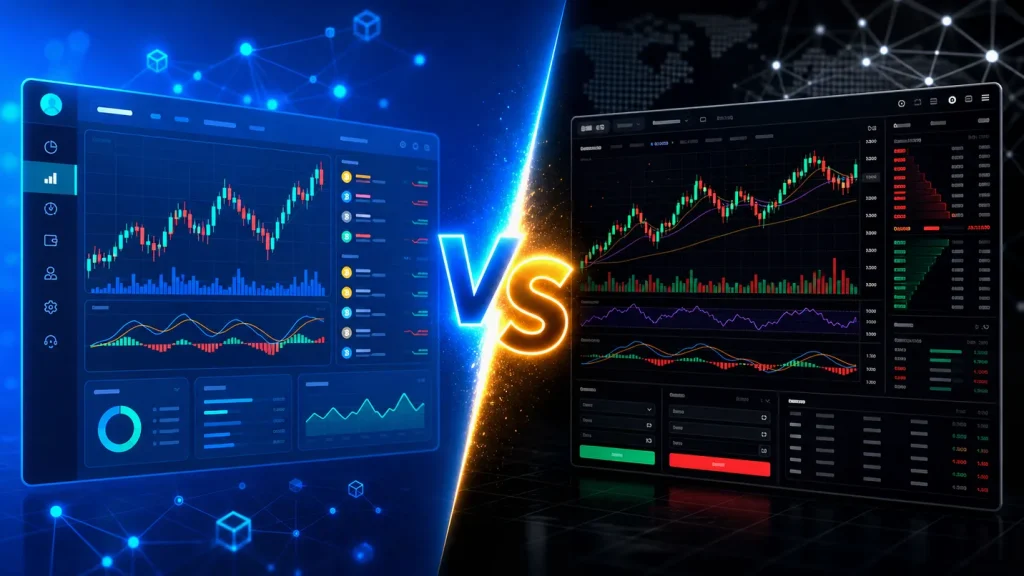
Choosing an exchange is rarely about finding one platform that is “best” at everything. It is about matching trading tools, fees, asset access, security controls, and funding options to the way you actually trade. This CoinEx vs OKX: A Feature Comparison breaks down the practical differences between two established centralized exchanges so beginners and active traders can make a clearer decision.

- 20% fee cashback
- $8,000 bonus

- 20% trading fee discount
- $100 signup bonus
- $10,000 futures bonus

- 50% trading fee discount
- 20% fee cashback
- $6,200 futures bonus

- Bonus pack worth $100–$1,500 USDT
- Fee discount

- 20% fee cashback
- $60,000 futures bonus

- 20% fee cashback
- $10,000 bonus

- 20% trading fee discount
- $30,050 signup bonus
Quick note: Exchange products, supported tokens, fees, and regional availability can change. Always confirm the current terms on each platform before depositing funds or placing a trade.
CoinEx vs OKX at a glance
| Feature | CoinEx | OKX |
|---|---|---|
| Best known for | Straightforward spot and derivatives access | Broad trading ecosystem and advanced tools |
| Spot markets | Wide selection of crypto pairs | Wide selection of crypto pairs |
| Derivatives | Futures and perpetual-style trading options, where available | Futures, perpetuals, options, and advanced derivatives tools, where available |
| Earn products | Crypto earning and related products may be available by region | Savings, staking, DeFi-oriented and structured products may be available by region |
| Web3 features | Exchange-focused experience | Integrated wallet and Web3 ecosystem |
| Suitable for | Users who value simplicity and a focused trading interface | Traders who want deep functionality in one account |
The central distinction is positioning. CoinEx tends to appeal to people who want a clean, less intimidating exchange workflow for buying, selling, and trading crypto. OKX is designed as a larger ecosystem, combining centralized trading with a self-custody wallet, marketplace access, and more sophisticated trading features.
Trading markets and order tools
For ordinary spot traders, both exchanges provide the essentials: trading pairs, market and limit orders, charting, order books, account balances, and mobile access. That means either platform can work for someone converting one cryptocurrency into another or building positions over time.
OKX generally has a stronger emphasis on professional-grade tooling. Depending on the market and account eligibility, this can include more extensive order types, bot-related features, options markets, copy-trading functions, and detailed derivatives interfaces. This breadth can be valuable to experienced participants, but it may also make the platform feel dense for a first-time buyer.
CoinEx’s advantage is often usability. Its exchange experience is more focused, which can reduce friction for traders who do not need a Web3 wallet, NFT tools, or a large menu of investment products. For a trader who wants to monitor a few pairs, place an order, and manage risk without navigating an enormous product catalog, that simplicity matters.
Fees: compare the full cost, not just the headline rate
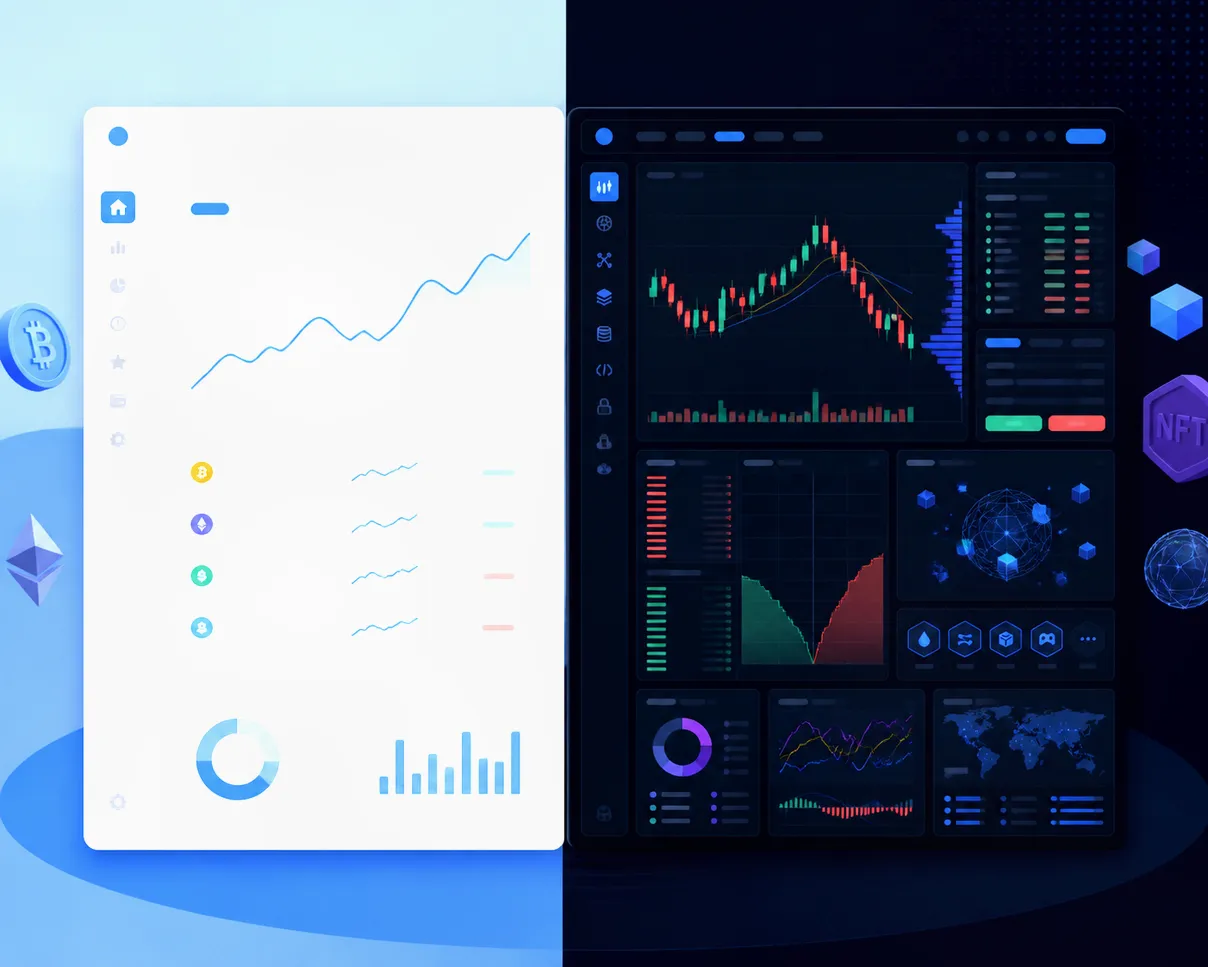
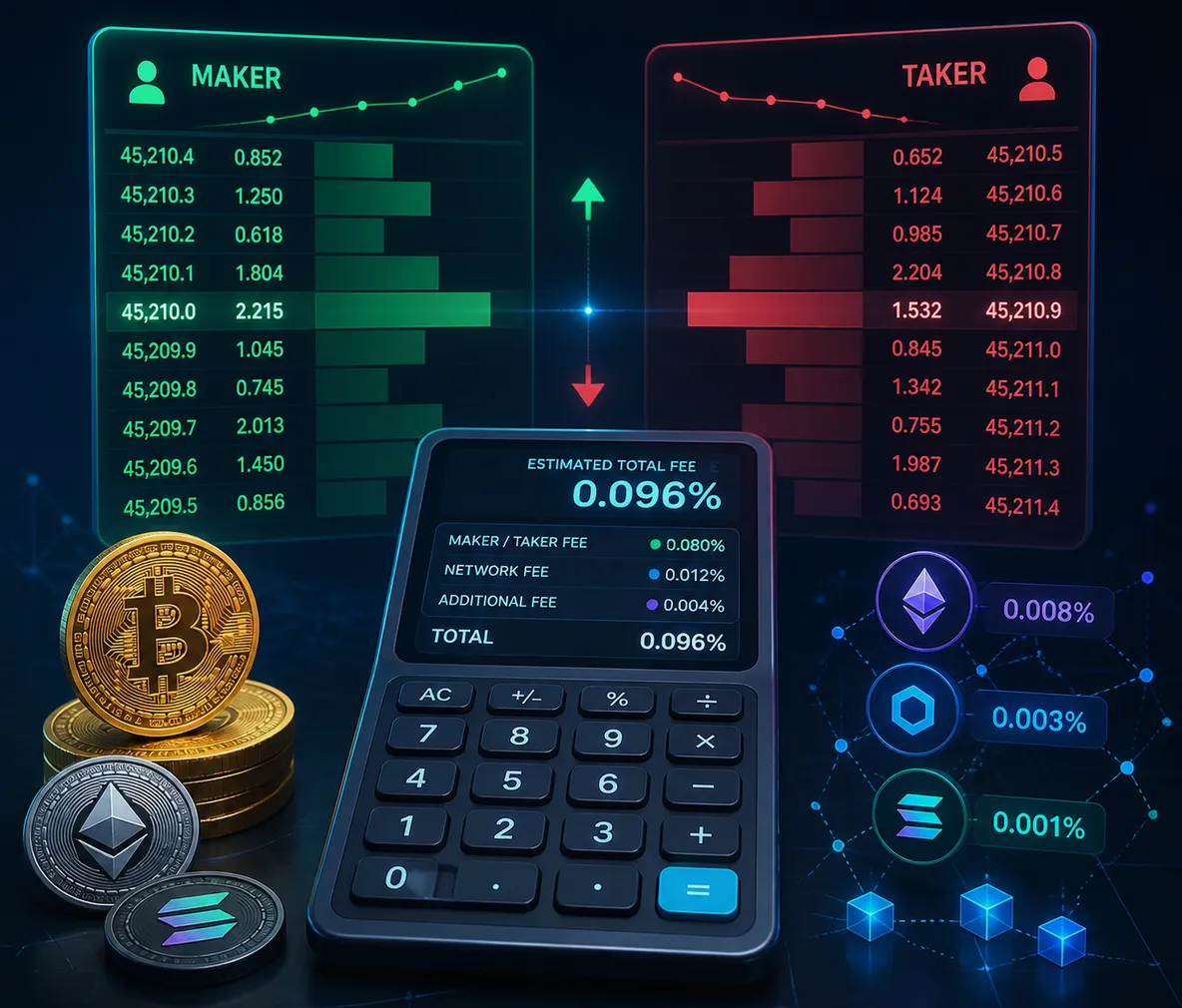
Trading fees are a major part of every crypto exchange comparison, especially for frequent traders. Both CoinEx and OKX typically use tiered fee structures, where fees can depend on factors such as the market traded, maker or taker status, rolling trading volume, and whether a platform token or other discount mechanism is used.
Do not stop at the listed spot fee. Compare these costs before choosing an account:
- Maker and taker fees for the pairs you plan to trade
- Perpetual or futures funding rates if you hold leveraged positions
- Withdrawal fees and minimum withdrawal amounts for your chosen network
- Deposit network support, since sending on the wrong network can be costly
- Spread and order-book liquidity, which can affect the execution price
- Any discount program you actually qualify for and intend to use
If you want to try CoinEx, registering through CoinEx with referral code mhz7w may provide a fee discount and a chance at a $1,500 bonus, subject to CoinEx’s applicable promotion rules and eligibility requirements. Read the offer terms carefully; bonuses are not guaranteed and can involve verification, deposit, or trading conditions.
Asset selection, liquidity, and availability
A large token list can be useful, but it should not be the only deciding factor. What matters is whether an exchange supports the assets you want and whether those markets have enough liquidity for sensible entries and exits. A pair with a thin order book can lead to slippage, where the filled price differs materially from the price you expected.
OKX is often a compelling choice for users seeking a broad set of major-market trading features and deeper activity around popular assets. CoinEx also offers a broad crypto catalog and can be especially useful for traders exploring altcoin markets while retaining an approachable interface.
Before transferring assets, search for the exact ticker and confirm the blockchain network. For example, stablecoins can exist across Ethereum, Tron, Solana, and other networks. The ticker may look identical while the deposit address and network requirements are completely different.
Security controls and account protection
Neither CoinEx nor OKX eliminates crypto risk. Centralized exchanges are custodians when assets are held in exchange accounts, and every user should take personal account security seriously.
At a minimum, enable two-factor authentication (2FA) with an authenticator app, set a unique password, secure your email account, and activate withdrawal safeguards such as address whitelisting if available. Be skeptical of direct messages, fake support agents, and sponsored search advertisements that imitate exchange login pages.
For long-term holdings, many users prefer moving assets to a self-custody wallet after trading. That decision comes with a different responsibility: if you lose a seed phrase or send funds to an incorrect address, there may be no recovery process. The right custody model depends on your experience, trade frequency, and ability to protect private keys.
Web3 ecosystem: where OKX has a different focus
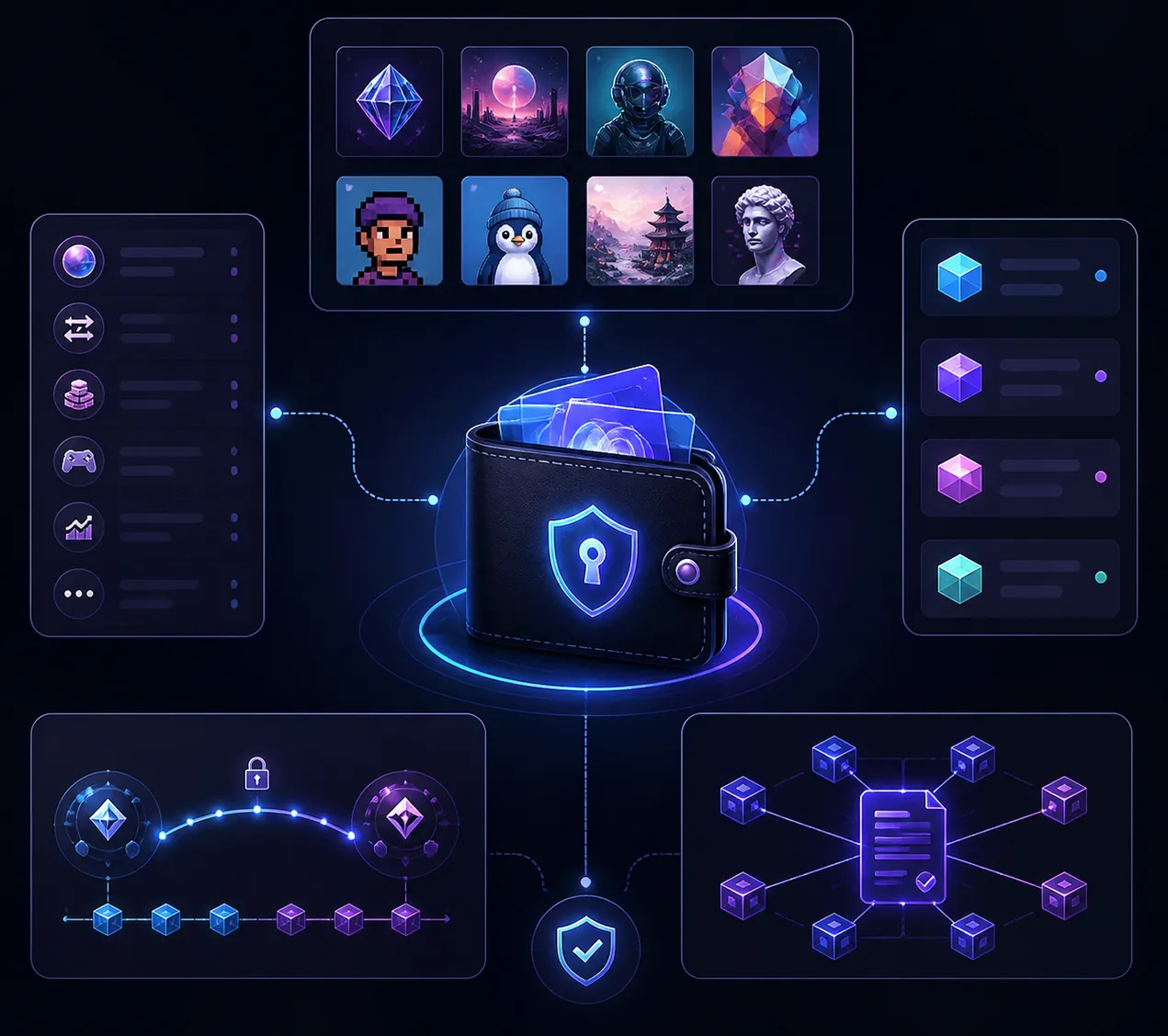
The biggest feature gap in this CoinEx vs OKX comparison is arguably the Web3 layer. OKX has invested heavily in an ecosystem that can connect users to decentralized applications through its wallet and related tools. For people who regularly use decentralized exchanges, NFTs, bridges, or on-chain protocols, having those functions adjacent to a trading account may be convenient.
That convenience is not automatically a reason to choose it. Web3 transactions introduce additional risks, including malicious token approvals, fake websites, smart-contract vulnerabilities, and irreversible transactions. Users who only need a centralized exchange may find a more streamlined platform easier to manage securely.
CoinEx is better viewed as an exchange-first option. Its appeal is less about integrating every crypto activity and more about supplying a direct path to spot trading and eligible derivatives services. That narrower focus can be a benefit rather than a limitation for users who value clarity.
Mobile experience and daily usability
A good mobile app should let you check balances, place an order, review open positions, manage 2FA, and receive security notifications without making critical controls hard to find. Both platforms provide mobile access, but the preferred experience comes down to interface preference.
Choose CoinEx if you prefer fewer layers between opening the app and trading a pair. Consider OKX if you use advanced charting, trading automation, an integrated wallet, or multiple crypto products and want them in a unified environment. In either case, test the interface with a small amount first. Learn how to find trade history, cancel orders, and initiate a withdrawal before committing significant capital.
Which exchange fits different trader profiles?
CoinEx may fit you if:
- You want a cleaner, exchange-centered trading experience.
- You mainly use spot markets and selected derivatives features.
- You value simple navigation over a large Web3 product suite.
- You want to explore CoinEx’s referral offer through this CoinEx registration link, using code mhz7w for the stated fee discount and potential bonus opportunity.
OKX may fit you if:
- You need more advanced order, derivatives, or options-related tools where permitted.
- You actively interact with decentralized applications and want an integrated Web3 wallet.
- You prefer a broad crypto ecosystem and do not mind a more complex interface.
- You are willing to spend time learning each product’s separate fees, risks, and rules.
A practical checklist before opening an account

Use this short checklist to turn a broad CoinEx vs OKX decision into a personal one:
- List the three to five assets you expect to trade.
- Verify local availability, identity verification requirements, and legal restrictions.
- Compare spot fees, withdrawal costs, and liquidity for those exact assets.
- Decide whether you truly need leverage, options, bots, or Web3 connectivity.
- Enable all account security settings before making your first deposit.
- Make a small test deposit and withdrawal on the correct network.
- Avoid borrowing or using leverage until you understand liquidation, funding, and downside risk.
Crypto markets are volatile, and exchange selection cannot remove that risk. The most effective choice is the one whose tools, costs, and security workflow match your strategy—not simply the platform with the longest feature list.
Related posts:
 What Is Unified Trading Account on Bybit? A Powerful Guide to Smarter Crypto Trading
 Can Blockchain Help Prevent Fraud? Powerful Ways Blockchain Improves Trust
 How to Transfer Between Spot and Futures Wallets: Secure Steps for Binance Traders
 OKX Copy Trading: Getting Started With Smarter Trader Selection