
If you are researching what the RIF (Rootstock Infrastructure Framework) coin is and how to buy it, the first thing to know is that RIF is not Bitcoin, and it is not Rootstock’s gas token. RIF is a utility and ecosystem token designed around services, applications, governance, and Bitcoin-focused DeFi on Rootstock. RBTC, by contrast, is the native asset used to pay transaction fees on the Rootstock network. Keeping that distinction clear can prevent an expensive mistake when purchasing or withdrawing tokens.

- 50% trading fee discount
- 20% fee cashback
- $6,200 futures bonus

- 20% fee cashback
- $60,000 futures bonus

- 20% trading fee discount
- $100 signup bonus
- $10,000 futures bonus

- Bonus pack worth $100–$1,500 USDT
- Fee discount

- 20% fee cashback
- $8,000 bonus

- 20% fee cashback
- $10,000 bonus

- 20% trading fee discount
- $30,050 signup bonus
What is the RIF coin?
RIF stands for Rootstock Infrastructure Framework. It originated as a token intended to help developers and users access an open suite of blockchain infrastructure services built around Rootstock’s smart-contract ecosystem. Rootstock is an EVM-compatible Bitcoin sidechain: it supports Ethereum-style smart contracts and developer tools while being designed to bring DeFi and application functionality closer to Bitcoin. Rootstock’s official site describes the network as Bitcoin financial infrastructure and notes its EVM compatibility. (rootstock.io)
Today, the RIF ecosystem is positioned around expanding Bitcoin DeFi. The project highlights ways to use RIF for staking, swapping, governance, rewards, builder tools, and ecosystem services. Its official site also identifies products such as RNS (RIF Name Service), RIF Relay, RIF Flyover, the RIF DeFi Gateway, and RIF Rollup. (rif.technology)
In straightforward terms, RIF is a token tied to an effort to make Bitcoin-connected applications easier to build and use. That makes it fundamentally different from a meme coin with no intended product layer—but intended utility does not guarantee market demand, adoption, or price appreciation.
RIF coin utility: what can the token do?
The most visible current RIF use case is participation in RootstockCollective, a DAO focused on supporting Bitcoin builders. Users can stake RIF to receive stRIF, which is used in governance participation; the project says participants can vote on proposals and may earn rewards in RIF and rBTC.
Other stated areas of utility include:
- Governance: stake RIF and use stRIF to participate in RootstockCollective decisions.
- Developer and infrastructure tools: RIF-related services include naming, gas abstraction, and Bitcoin bridging tools.
- RNS: a decentralized, human-readable naming system intended to replace difficult wallet-address strings with easier-to-read aliases.
- DeFi access: RIF is used within the broader Rootstock ecosystem alongside lending, swapping, and Bitcoin DeFi products.
- USDRIF ecosystem: the RIF site describes USDRIF as a stablecoin designed to be pegged 1:1 to the U.S. dollar and collateralized by RIF. As with every collateralized stablecoin, users should independently understand the minting, liquidation, oracle, smart-contract, and depeg risks before using it.
RIF token supply and contract details

On the Rootstock explorer, the verified RIF token contract is listed with a total supply of 1,000,000,000 RIF, 18 decimals, and token standard labels ERC-20/ERC-677. The Rootstock contract address is:
0x2aCc95758f8b5F583470bA265Eb685a8f45fC9D5
Always compare the contract address with a trusted official source before interacting with a decentralized exchange or adding a custom token to a wallet. Token names and tickers can be copied by scammers. (v3.explorer.rootstock.io)
How to buy RIF on Binance
For many newcomers, buying RIF through a centralized exchange is the simplest path because the exchange interface can combine account setup, fiat payment methods, spot trading, and custody in one place. Binance has a dedicated RIF buying page and states that availability, payment options, trading pairs, and services depend on a user’s jurisdiction and account eligibility. (binance.com)
Step 1: Open a Binance account with a referral benefit
You can register for Binance with referral code CRYPTONEWER. The promotion advertises a 20% fee discount and up to $10,000 in benefits. Review the offer terms shown in your account, because promotions, eligibility criteria, reward schedules, and regional availability can change.
Step 2: Complete verification and secure the account
Complete identity verification if it is required in your location. Then enable strong security immediately:
- Use a unique password generated by a password manager.
- Turn on authenticator-app two-factor authentication rather than relying solely on SMS.
- Enable anti-phishing measures if available.
- Never share your password, one-time code, backup code, or API keys with anyone.
Step 3: Fund your account
Depending on your country, Binance may offer card purchases, bank transfers, local payment options, P2P markets, or deposits of existing crypto. Another common route is to deposit or buy USDT first, then exchange USDT for RIF. Check the final quote, payment-provider costs, and transaction fees before confirming; a “zero-fee” headline does not necessarily mean every funding method is free.
Step 4: Buy RIF using Convert or Spot
There are two practical ways to buy RIF:
- Binance Convert: Select the asset you hold in the “From” field, choose RIF in the “To” field, preview the quote, and confirm before it expires. This is typically easier for beginners.
- Spot market: Go to Trade → Spot, search for
RIF, select an available trading pair, and place either a market order or a limit order. A market order aims to execute promptly at current available market prices; a limit order executes only if the market reaches the price you set.
Binance’s current RIF purchase guide specifically lists card purchases, Apple Pay/Google Pay where supported, Convert, and Spot as possible routes, while emphasizing that availability varies by region.
Step 5: Check the order before you confirm
Before placing a trade, verify four details: the ticker is RIF, the order amount is correct, the fee is acceptable, and you understand whether you are using a market or limit order. Crypto markets can move sharply between opening an order screen and execution. A limit order offers price control but might never fill; a market order offers speed but can fill at a less favorable price in a fast-moving or thin market.
How to withdraw RIF safely to a self-custody wallet
Holding RIF on an exchange is convenient, but it means the platform controls the private keys. A self-custody wallet gives you direct control, along with full responsibility for security. Rootstock’s own help documentation cautions that an exchange wallet is custodial and that users do not control the private keys. (helpdesk.rootstock.io)
If you choose to withdraw:
- Confirm that your wallet supports the Rootstock network and RIF.
- Copy your receiving address directly from the wallet—never type it manually.
- In Binance’s withdrawal screen, select the exact supported network shown for RIF.
- Send a small test transaction first.
- Wait for the test to arrive and verify it in the wallet before sending the remainder.
- Store your recovery phrase offline, never in cloud storage, screenshots, email, or chat messages.
The network selection step matters enormously. Sending an asset through the wrong network or to an incompatible address can result in delays, recovery fees, or permanent loss.
Key risks to understand before buying RIF
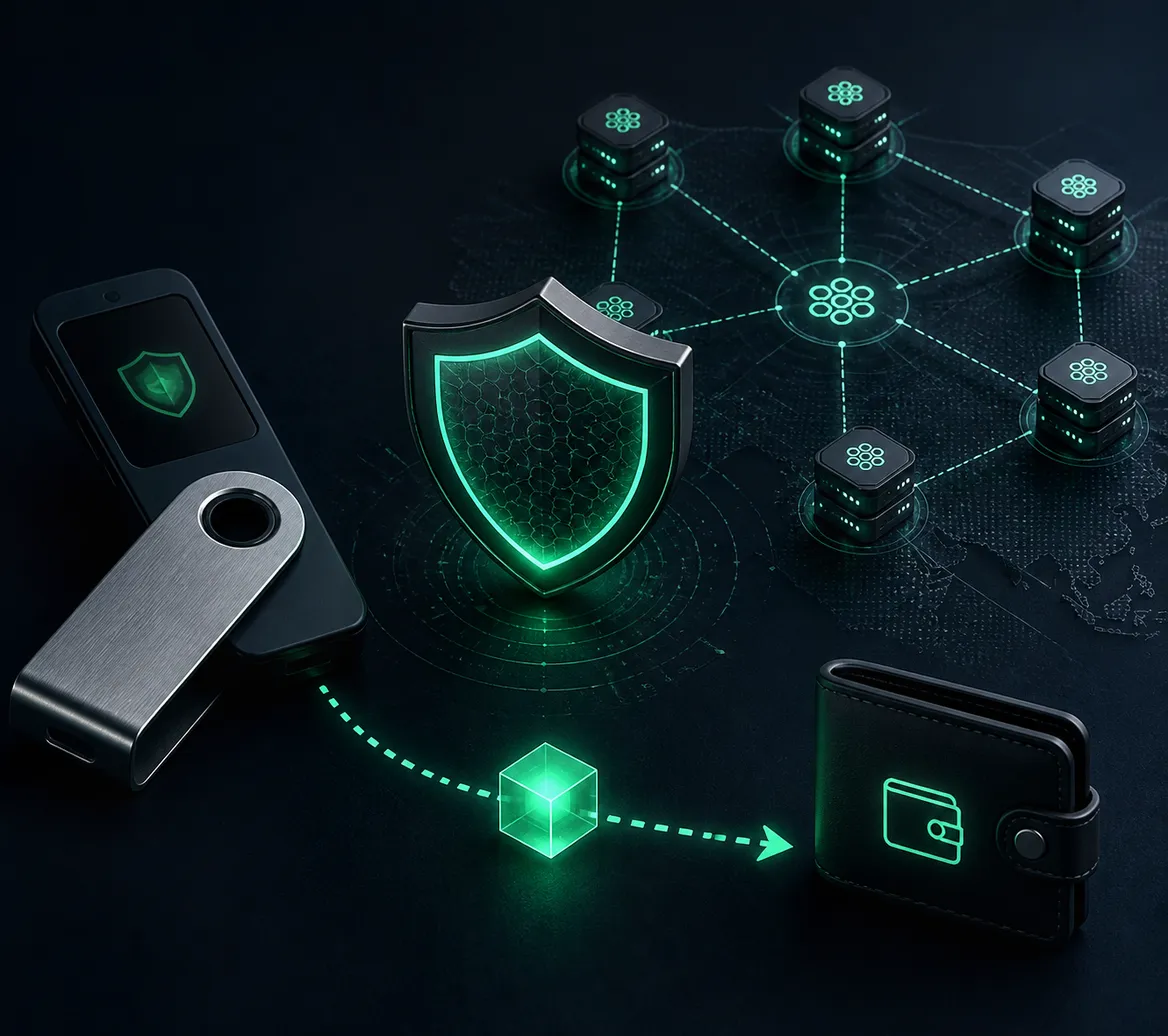
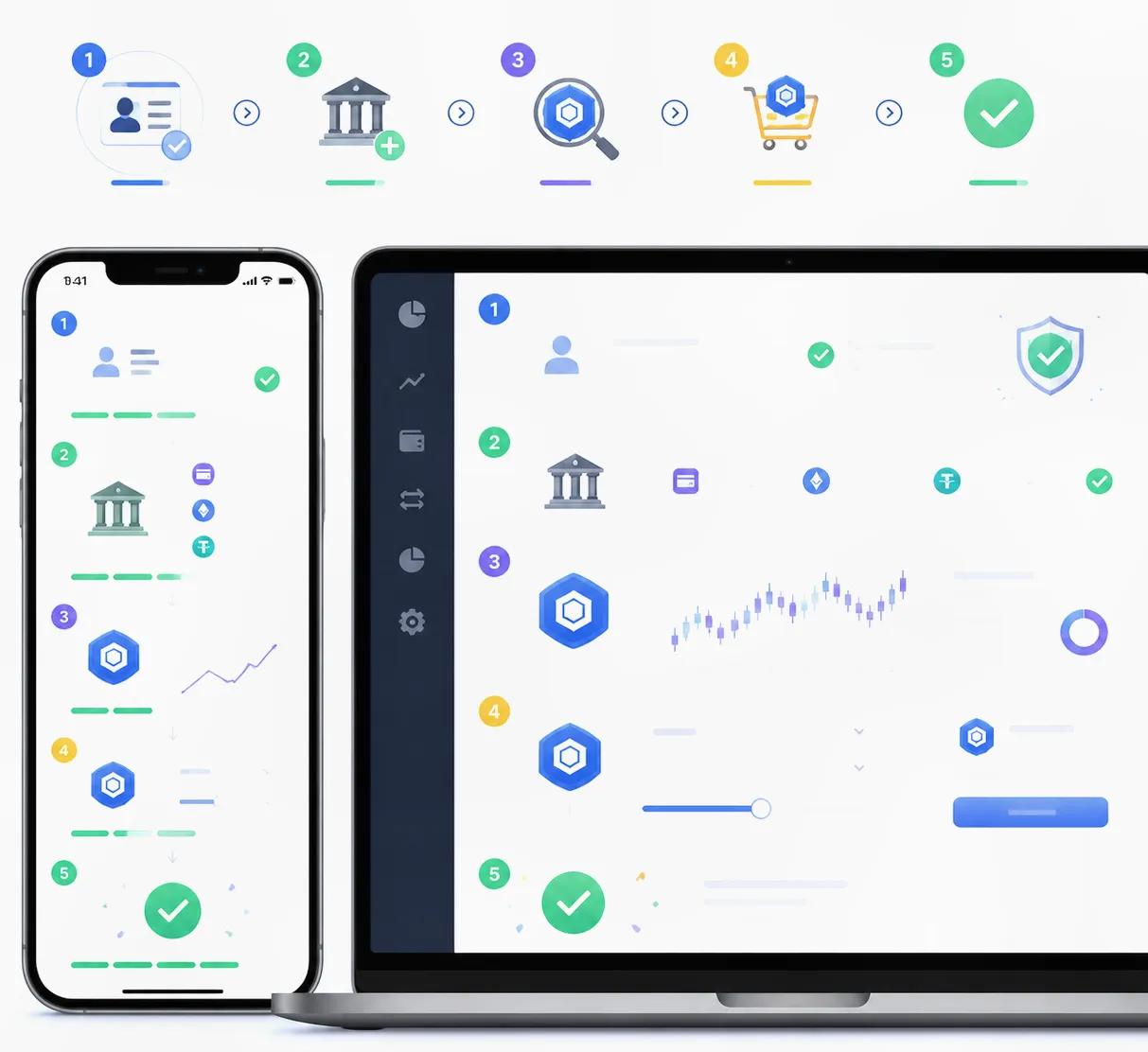
RIF may appeal to investors who want exposure to Bitcoin DeFi and the Rootstock ecosystem, but it remains a crypto asset with substantial risk. Token prices can be volatile; liquidity can vary across trading venues; protocol utility does not ensure token value; and smart-contract, bridge, custody, governance, regulatory, and stablecoin risks all exist. Binance itself warns that cryptocurrency prices involve high market risk and that buyers should understand the product before investing.
A measured approach is to decide your maximum position size before buying, avoid money needed for essentials, write down why you are purchasing RIF, and revisit that thesis when market sentiment changes. For on-chain use, verify URLs, contract addresses, approvals, and network settings every time. The safest transaction is often the one you pause to double-check.